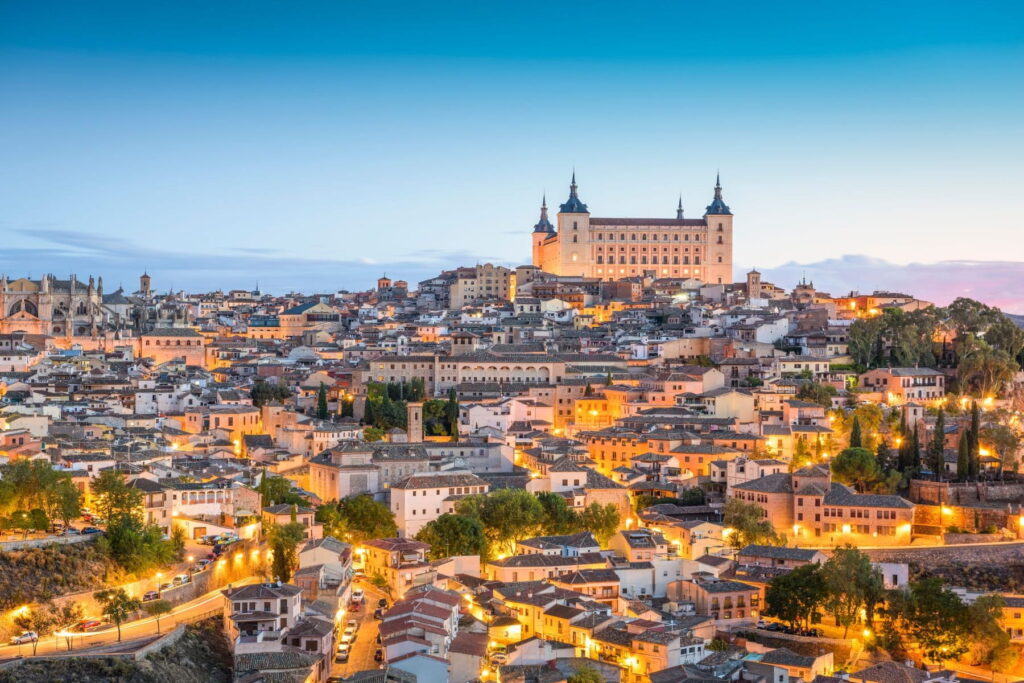
Spain is one of Europe’s most energetic and atmospheric destinations, where daily life happens outdoors long after sunset. Busy plazas, tapas bars, beaches, historic streets and warm evenings create a social rhythm that feels very different from much of northern Europe.
What makes Spain especially rewarding is its regional diversity. Barcelona feels completely different from Seville, the Basque coast has little in common with the Canary Islands, and green northern landscapes contrast sharply with the dry scenery of Andalusia. One trip can include beaches, mountain roads, historic cities, island sunsets, nightlife and exceptional food culture.
Why Visit Spain
- Travel style: Beaches, road trips, food, historic cities, islands, culture, nightlife, photography and seaside holidays.
- Best experiences: Tapas culture, Mediterranean beaches, island travel, flamenco, architecture, scenic coastal drives and lively city evenings.
- Atmosphere: Warm, social and energetic, with a strong outdoor lifestyle and long evenings.
- Best for: Couples, beach travelers, food lovers, photographers, families, nightlife travelers and road trip travelers.
- Best season: April to June and September to October for most regions, summer for beaches and islands.
Best Places to Visit in Spain
Barcelona
Barcelona combines Mediterranean beaches with bold architecture, creative energy and one of Europe’s most recognizable city skylines. Gaudí buildings, tapas bars, markets and seaside promenades give the city its unique atmosphere.
Visit for architecture, beaches, nightlife, food, photography and a mix of city life with coastal atmosphere.
Madrid
Madrid feels elegant, lively and deeply Spanish, with grand boulevards, museums, parks and late-night social life. It is less tourist-focused than Barcelona but often feels more authentic and local.
Visit for museums, food culture, plazas, nightlife and day trips to cities such as Toledo or Segovia.
Seville
Seville captures much of the classic Andalusian atmosphere travelers imagine before arriving in Spain. Orange trees, flamenco, narrow lanes, courtyards and warm evenings give the city a romantic and unmistakably southern feeling.
Visit for flamenco, historic architecture, tapas, plazas and one of Spain’s strongest cultural identities.
Valencia
Valencia blends beaches, modern architecture and traditional Spanish atmosphere surprisingly well. It feels more relaxed than Barcelona or Madrid while still offering excellent food and city life.
Visit for paella, beaches, the City of Arts and Sciences, markets and long seaside evenings.
Granada
Granada sits beneath the Sierra Nevada mountains and combines Moorish history with a youthful atmosphere. The Alhambra dominates the city, while the Albaicín neighborhood offers some of Spain’s most atmospheric streets.
Visit for history, architecture, viewpoints, tapas culture and Andalusian character.
Málaga
Málaga has transformed into one of southern Spain’s most enjoyable coastal cities. It combines beaches, museums, rooftop bars and a relaxed Costa del Sol atmosphere.
Visit for seaside city breaks, food, nightlife, art museums and access to Andalusia’s coast.
Ibiza
Ibiza is famous for nightlife and beach clubs, but the island also has quiet coves, pine-covered hills and peaceful villages away from the party areas.
Visit for beaches, sunsets, nightlife, boat trips and Mediterranean island scenery.
Mallorca
Mallorca combines beaches, mountain roads, stone villages and elegant seaside towns. It is much more varied than many travelers expect.
Visit for road trips, cycling, beaches, hiking, photography and relaxed Mediterranean travel.
San Sebastián
San Sebastián is one of Spain’s great food destinations, set between green hills and beautiful beaches in the Basque Country. The city feels refined but still relaxed.
Visit for pintxos, surfing, coastal scenery, food culture and northern Spanish atmosphere.
Tenerife
Tenerife offers volcanic landscapes, black sand beaches, mountain scenery and warm weather throughout much of the year. The island feels very different from mainland Spain.
Visit for hiking, beaches, winter sun, road trips and dramatic volcanic scenery around Mount Teide.
Best Regions in Spain
Andalusia is famous for white villages, flamenco, Moorish architecture, olive groves and warm southern atmosphere. It is ideal for road trips and cultural travel.
Catalonia combines Barcelona, Mediterranean beaches, mountains and strong regional identity. It suits city breaks, beach holidays and food-focused travel.
The Basque Country offers green coastlines, world-class food, surfing towns and a very distinct cultural atmosphere.
Costa Brava is known for cliffs, coves, fishing villages and scenic Mediterranean coastline north of Barcelona.
Costa del Sol combines beaches, resorts, golf, nightlife and easy access to Andalusian cities.
The Balearic Islands include Mallorca, Ibiza and Menorca, offering everything from nightlife and luxury resorts to quiet beaches and road trips.
The Canary Islands feel almost subtropical, with volcanic landscapes, black beaches and year-round warm weather.
Galicia is greener, cooler and more Atlantic in atmosphere, with seafood, rugged coastlines and historic pilgrimage towns.
The Valencia Region offers beaches, rice fields, relaxed coastal cities and strong Mediterranean food culture.
Food and Local Experiences in Spain
Food in Spain is deeply connected to social life. Meals are rarely rushed, evenings start late and plazas often stay busy long after dark.
Tapas culture is one of the country’s most enjoyable experiences. Small plates of seafood, grilled vegetables, ham, cheese and regional specialties turn meals into long social evenings rather than quick stops.
Classic dishes include paella, jamón ibérico, grilled fish, tortilla española, churros and countless regional variations that change dramatically across the country. Northern Spain feels very different from Andalusia or the islands when it comes to food.
Wine, sangria, vermouth and café culture are all part of everyday life. Markets, seafood restaurants and local bars often reveal more about Spain than famous landmarks do.
Best Experiences in Spain
Watch the sunset from a plaza in Seville while locals gather for late dinners and evening walks.
Drive through Andalusia between white villages, olive groves, mountain roads and historic cities such as Granada, Córdoba and Seville.
Spend time on the Mediterranean coast around Costa Brava, Mallorca or Valencia, where beaches and seaside promenades shape daily life.
Explore Barcelona early in the morning before the streets become busy and the city feels more local.
Experience pintxos culture in San Sebastián, moving between bars and trying small regional dishes.
Visit Tenerife or the Canary Islands for volcanic scenery, hiking trails and warm winter weather unlike most of Europe.
Stay out later than usual. Some of Spain’s best atmosphere only appears after sunset, when plazas, cafés and restaurants become full of life.
Practical Tips for Visiting Spain
The best time to visit Spain is April to June and September to October, when temperatures are pleasant and major destinations are less crowded.
Summer is ideal for beaches and islands, but inland cities such as Seville, Córdoba and Madrid can become extremely hot in July and August.
Winter works especially well for the Canary Islands, Málaga and southern coastal regions with milder temperatures and fewer tourists.
High-speed trains are excellent between major cities such as Madrid, Barcelona, Valencia, Seville and Málaga. For city-focused travel, trains are usually easier than driving.
A rental car is highly recommended for Andalusia, Mallorca, Galicia, Costa Brava and smaller coastal or countryside regions.
Domestic flights and ferries help connect the Balearic Islands and Canary Islands with mainland Spain.
Prices vary significantly. Barcelona, Ibiza and luxury coastal resorts can be expensive in summer, while inland Spain and smaller towns often offer better value.
Other interesting places in Spain
Astorga – historic town on the Camino de Santiago known for its impressive cathedral, Gaudí-designed palace and relaxed atmosphere surrounded by the landscapes of northwestern Spain.
Consuegra – scenic hilltop town famous for its iconic white windmills and medieval castle overlooking the wide plains of central Spain.
Who Should Visit Spain
Spain is ideal for couples because of its warm evenings, coastal towns, scenic hotels, food culture and relaxed Mediterranean atmosphere.
Photographers will love the variety of architecture, beaches, mountain scenery, white villages, colorful markets and lively city streets.
Food lovers can build entire trips around tapas, seafood, regional wines, markets and local specialties.
Beach travelers have enormous choice, from lively Mediterranean resorts to Atlantic coastlines and island beaches.
Families benefit from warm weather, beaches, walkable cities, relaxed dining culture and many family-friendly resorts.
Nightlife travelers will enjoy Barcelona, Madrid, Ibiza, Málaga and Spain’s famous late-evening social atmosphere.
Road trip travelers should focus on Andalusia, Mallorca, Galicia, Costa Brava and northern Spain.
More Places to Visit Near Spain
- Portugal: A natural combination for Atlantic coastlines, historic cities, food and Iberian road trips.
- France: Easy to combine with Catalonia, the Basque Country and Mediterranean travel.
- Morocco: A strong cultural contrast with markets, deserts, mountains and North African atmosphere.
- Andorra: Ideal for Pyrenees scenery, skiing, mountain roads and hiking.
- Italy: Excellent for Mediterranean food, beaches, historic cities and island travel.
- The Balearic Islands: Mallorca, Ibiza and Menorca offer beaches, nightlife, road trips and island scenery.
- The Canary Islands: Perfect for volcanic landscapes, winter sun and subtropical beaches.
- Gibraltar: A unique British territory at the southern edge of Spain with dramatic sea views.