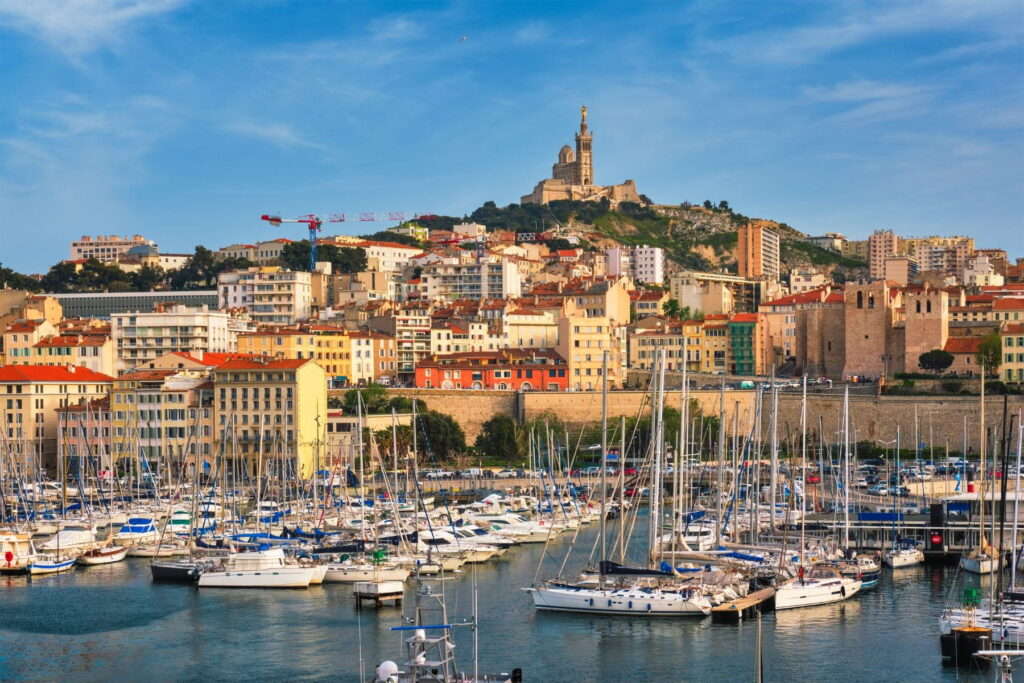
Marseille is one of the most distinctive cities in France and feels completely different from polished destinations like Paris, Bordeaux, or the French Riviera. This large Mediterranean port city is energetic, multicultural, chaotic, and full of contrasts. Old fishermen’s boats sit beside modern yachts, graffiti-covered streets lead toward elegant churches, and seafood restaurants mix with busy local markets and football bars.
The best things to do in Marseille are less about famous monuments and more about experiencing the atmosphere of the city itself. Travelers come here for the Old Port, boat trips to the Calanques, Mediterranean food, lively neighborhoods, and the raw urban energy that gives Marseille its strong personality.
Marseille is not a perfect postcard city. Some areas feel rough around the edges, but that authenticity is exactly what makes the city memorable. Compared to Nice or Cannes, Marseille feels far more real, local, and alive.
Top Things to Do in Marseille
- Walk around the Old Port (Vieux-Port)
- Visit Notre-Dame de la Garde basilica
- Take a boat trip to Calanques National Park
- Explore Le Panier historic district
- Try fresh seafood and bouillabaisse
- Relax at Marseille’s beaches and coastline
- Experience the city’s football and street culture
Walk Around the Old Port
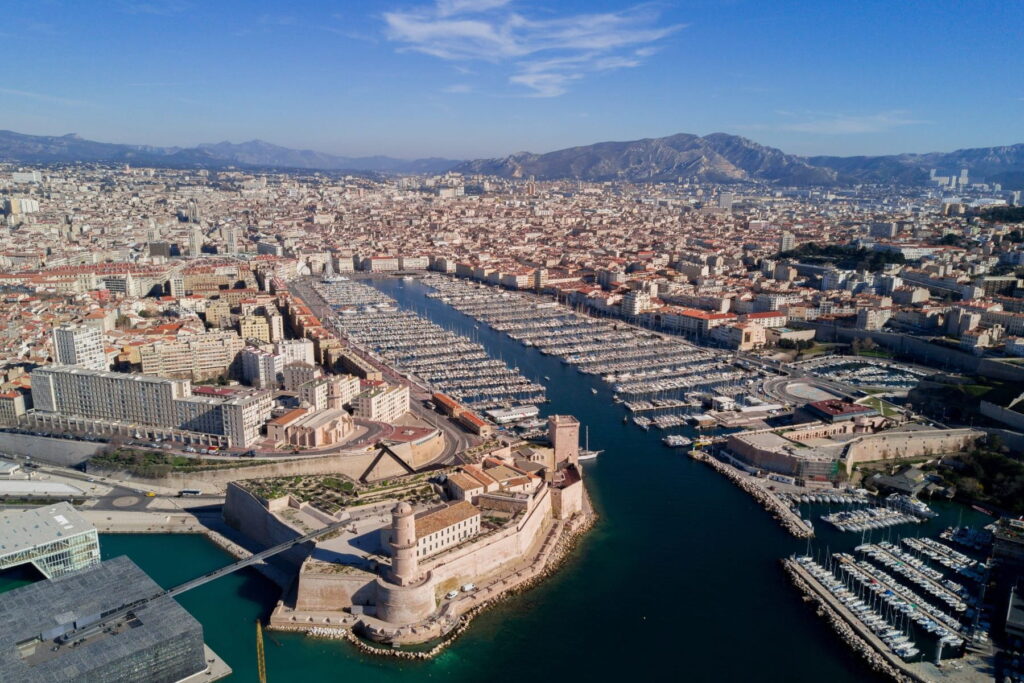
The Vieux-Port is the heart of Marseille and the best place to feel the rhythm of the city. Fishing boats, ferries, seafood restaurants, market stalls, and busy terraces create an atmosphere that feels constantly alive.
Throughout the day, locals and visitors move between cafés, bars, and waterfront promenades. Early mornings feel more authentic when fishermen still sell fresh catches directly from the harbor.
The area can feel chaotic at times, but that energy is part of Marseille’s identity.
Tip: Visit both in the morning and again after sunset because the atmosphere changes completely during the evening.
Visit Notre-Dame de la Garde
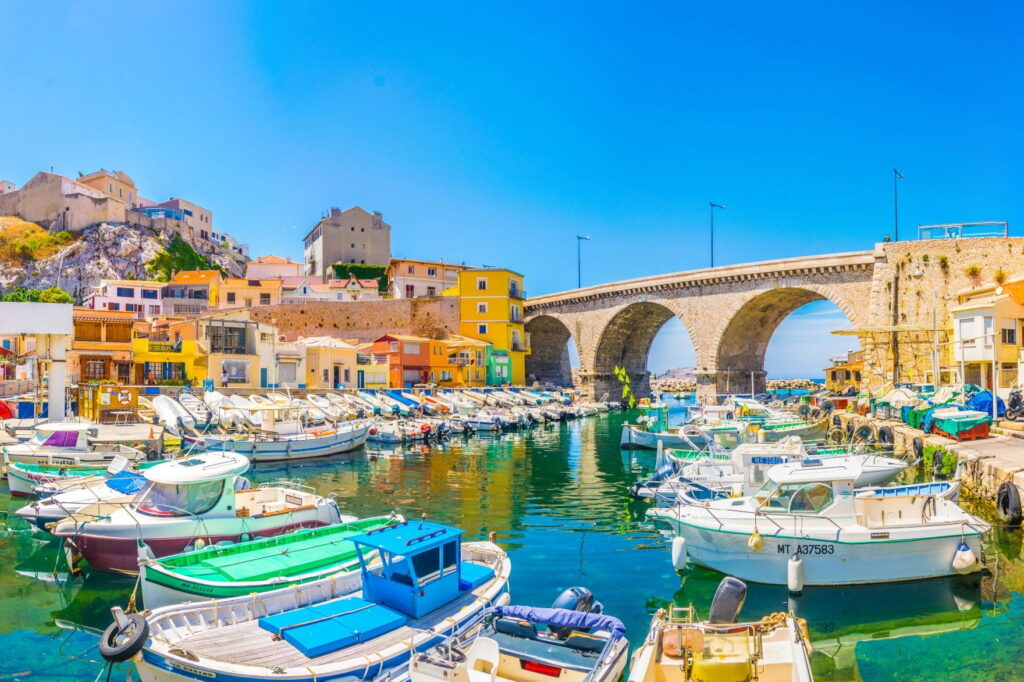
Standing high above the city, Notre-Dame de la Garde is Marseille’s most famous landmark. The basilica overlooks the port, coastline, and surrounding hills, offering some of the best panoramic views in southern France.
The climb uphill passes through neighborhoods that reveal the everyday side of Marseille far from tourist brochures. Once at the top, the scale of the city and the Mediterranean Sea becomes impressive.
The basilica itself mixes Byzantine details with maritime history and remains deeply connected to local identity.
Tip: Visit late in the afternoon when the light over the sea becomes softer and the city looks particularly beautiful.
Explore Le Panier
Le Panier is the oldest district in Marseille and one of the most atmospheric parts of the city. Narrow stairways, colorful shutters, street art, small cafés, and hidden squares create a neighborhood that feels creative and slightly chaotic.
Unlike the polished old towns of cities like Bordeaux or Dijon, Le Panier feels more spontaneous and lived-in. Laundry hangs above alleyways while artists and locals sit outside small bars and workshops.
Some streets feel touristy, but many corners still preserve an authentic local atmosphere.
Tip: Wander without a strict plan. The district is best experienced slowly and randomly.
Take a Boat Trip to the Calanques
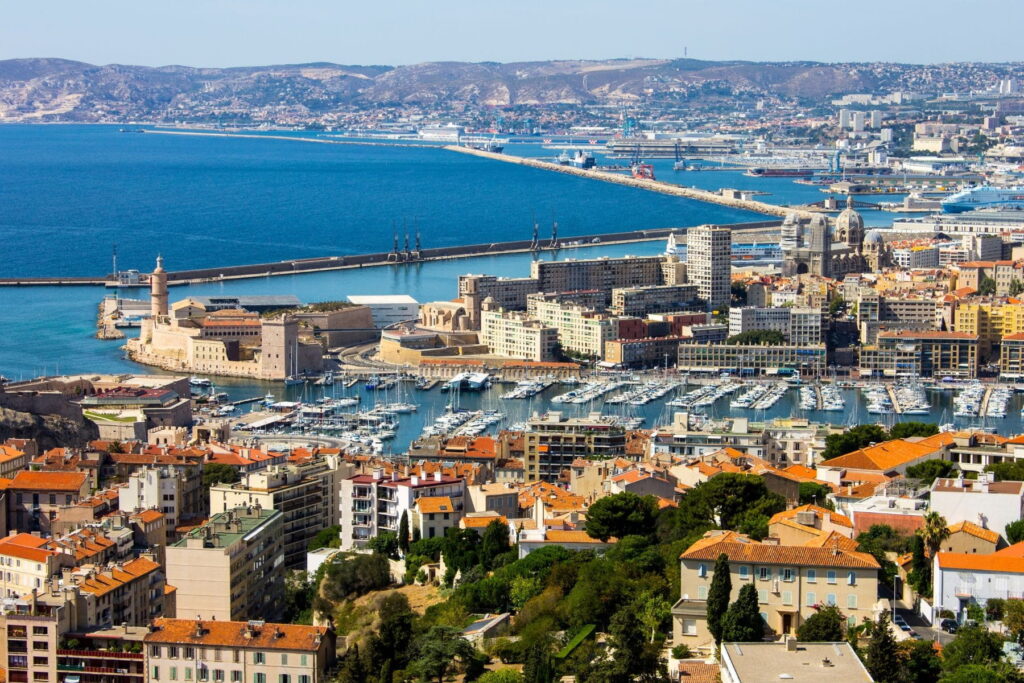
The Calanques National Park is one of the biggest reasons travelers visit Marseille. These dramatic limestone cliffs and turquoise coves stretch along the Mediterranean coastline between Marseille and Cassis.
Boat tours reveal hidden beaches, steep cliffs, and water that often looks almost unreal in summer sunlight. The contrast between Marseille’s urban energy and the peaceful Calanques makes the experience particularly memorable.
During peak season, tours can become very busy, especially in July and August.
Tip: Spring and early autumn offer the best balance between good weather and smaller crowds.
Experience Marseille’s Food Scene
Marseille’s food reflects the city’s multicultural identity. Seafood restaurants stand beside North African bakeries, pizza places, local markets, and Mediterranean cafés.
Bouillabaisse, the city’s famous seafood stew, remains one of the classic local dishes, although prices can vary significantly between restaurants.
The best food experiences are often simple — fresh grilled fish near the harbor, local pastries, or casual meals in busy neighborhood streets.
Tip: Avoid restaurants directly targeting tourists near the busiest harbor terraces and look for places filled with locals.
Relax Along the Mediterranean Coast
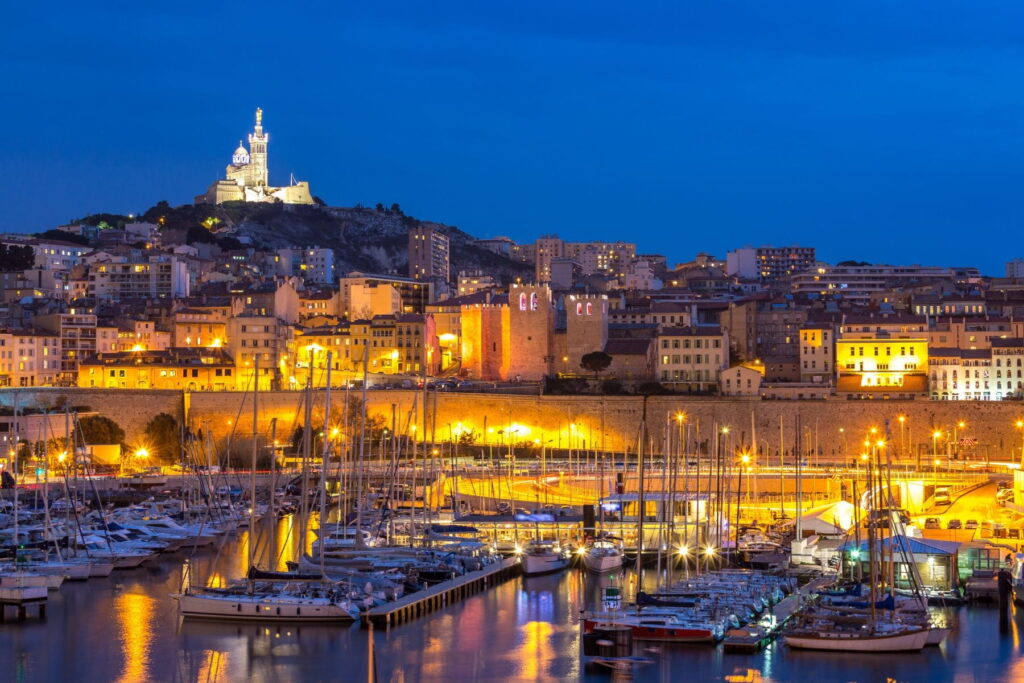
Marseille has several beaches and coastal areas where locals escape the heat during summer. Some beaches are sandy while others are rocky and more natural.
The coastline around the city feels less glamorous than the French Riviera, but also more relaxed and authentic. Groups of friends gather by the water with music, food, and drinks until late evening.
Plage des Catalans is one of the easiest beaches to reach from the center, although it becomes crowded quickly during summer.
Tip: Bring swimming shoes for rocky areas along the coast.
Hidden Gem in Marseille: Vallon des Auffes
Vallon des Auffes is a small traditional fishing harbor hidden below the busy streets near the coastline. Tiny boats, seafood restaurants, old stone houses, and calm water create a surprisingly peaceful atmosphere inside the large city.
It feels very different from the chaos of the Old Port and offers one of the most photogenic corners in Marseille.
In the evening, the small harbor becomes especially atmospheric when restaurants light up around the water.
Tip: Visit around sunset and stay for dinner if you enjoy seafood.
Best Views in Marseille
The best panoramic views come from Notre-Dame de la Garde, where the entire city, coastline, and Mediterranean Sea spread below you.
Beautiful sunset views can also be found around Vallon des Auffes and the coastal roads leading toward the Calanques.
For urban photography, the area around the Old Port and Le Panier offers some of the most interesting street scenes and contrasts in the city.
Where to Stay in Marseille
Luxury: InterContinental Marseille – Historic waterfront hotel with excellent views over the Old Port.
Mid-range: Hôtel Life Marseille VP – Stylish central hotel near the harbor and main attractions.
Budget: The People Hostel Marseille – Social and modern budget option in a lively part of the city.
Practical Tips for Visiting Marseille
The best time to visit Marseille is spring or early autumn when temperatures are comfortable and the Calanques are less crowded. Summer can be extremely hot and busy.
Marseille is well connected by high-speed train to Paris, Lyon, Bordeaux, and other major French cities. The city itself is large, so combining walking with metro or tram transport is useful.
Like many large port cities, Marseille has areas that feel rougher, especially late at night. Most tourist areas are safe, but staying aware of your surroundings is recommended.
If you enjoy football culture, attending an Olympique de Marseille match at Stade Vélodrome is one of the most intense sports atmospheres in France.
More Places to Visit Near Marseille
- Paris – Elegant capital city filled with iconic museums, cafés, and historic architecture.
- Lyon – France’s culinary capital with beautiful old districts and riverside atmosphere.
- Bordeaux – Refined city famous for wine culture and grand classical architecture.
- Toulouse – Relaxed southern French city known for pink buildings and lively squares.
- Dijon – Historic Burgundy city with excellent food and medieval streets.
- Lille – Northern French city blending Flemish influences with vibrant urban life.