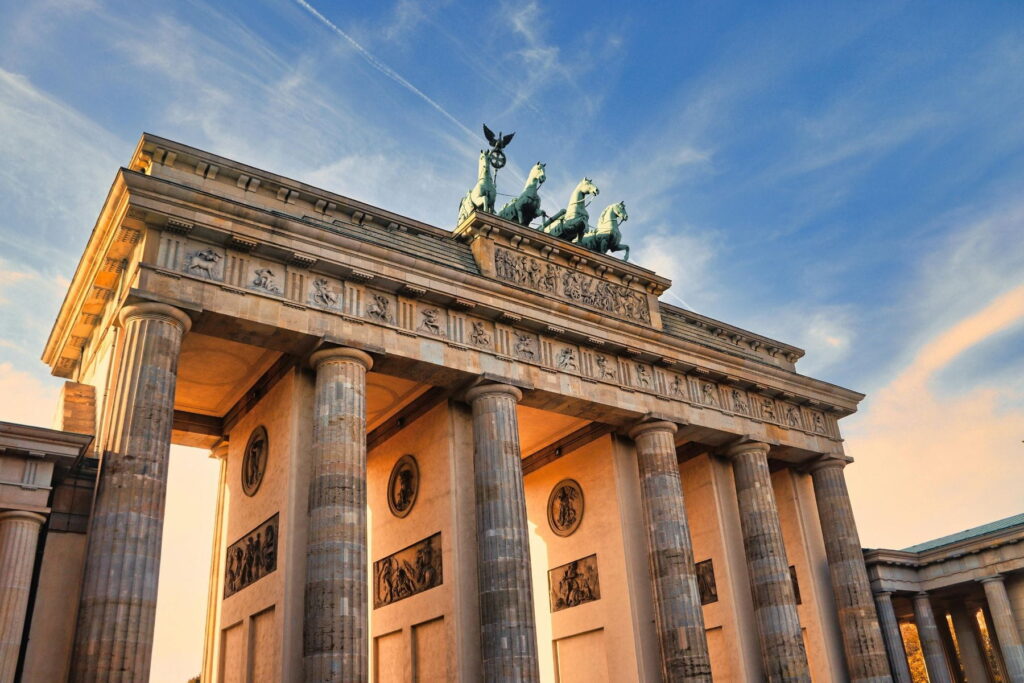
Germany combines modern urban life with deep historical atmosphere in a way that surprises many first-time visitors. One moment you are standing among glass skyscrapers and contemporary architecture, and a few hours later driving through medieval towns, castle landscapes or alpine villages beneath mountain peaks.
The country feels highly organized, comfortable and easy to explore, yet still rich in regional identity. Bavaria feels completely different from Berlin, the Rhine Valley has a different rhythm than the Baltic Coast, and smaller towns often deliver some of the most memorable experiences. Germany is ideal for road trips, Christmas markets, castles, nature and historic city travel without complicated logistics.
Why Visit Germany
- Travel style: Historic cities, road trips, castles, culture, mountains, nature, Christmas markets and urban travel.
- Best experiences: Medieval towns, Bavarian culture, scenic river valleys, alpine scenery, beer culture and Christmas markets.
- Atmosphere: Organized, comfortable and visually varied, with a balance between historic tradition and modern city life.
- Best for: Road trip travelers, photographers, families, history lovers, castle enthusiasts and city-break travelers.
- Best season: May to September for most travel and December for Christmas markets.
Best Places to Visit in Germany
Berlin
Berlin is one of Europe’s most dynamic capitals, shaped by history, creativity and constant reinvention. The city combines monumental landmarks, museums, nightlife, street art and neighborhoods that all feel different from one another.
Visit for history, culture, architecture, nightlife, museums and one of Europe’s most interesting urban atmospheres.
Munich
Munich blends elegant city life with strong Bavarian traditions. Beer gardens, historic squares, parks and nearby alpine scenery give the city a more relaxed and scenic atmosphere than many major capitals.
Visit for Bavarian culture, Oktoberfest, museums, food, day trips and routes toward the Bavarian Alps.
Hamburg feels maritime, modern and stylish, with canals, bridges, warehouses and a strong waterfront identity. It is one of Germany’s most livable and visually polished cities.
Visit for harbor views, nightlife, architecture, seafood and a different side of northern Germany.
Cologne
Cologne is famous for its enormous cathedral rising above the Rhine River. The city combines Roman history, lively local culture and a relaxed atmosphere that feels less formal than some other German cities.
Visit for the cathedral, Christmas markets, museums, riverfront walks and local beer culture.
Dresden
Dresden is one of Germany’s most beautiful historic cities, rebuilt after World War II with remarkable attention to detail. Baroque architecture, riverside views and elegant squares create a refined atmosphere.
Visit for architecture, history, museums and routes into Saxony or the Elbe Valley.
Neuschwanstein Castle
Neuschwanstein Castle looks like the definition of a fairytale castle, sitting above forests and lakes near the Alps. Despite its popularity, the scenery around it remains spectacular.
Visit for photography, castles, mountain scenery and classic Bavarian landscapes.
Heidelberg
Heidelberg is romantic, compact and filled with historic character. Its castle ruins, riverside setting and student atmosphere make it one of Germany’s most charming smaller cities.
Visit for old streets, castle views, cafés and relaxed city breaks.
Rothenburg ob der Tauber
Rothenburg ob der Tauber is one of Germany’s best-preserved medieval towns. Timber-framed houses, walls and cobbled streets create an atmosphere that feels almost cinematic.
Visit for photography, Christmas atmosphere, medieval architecture and scenic routes along the Romantic Road.
Frankfurt am Main
Frankfurt combines Germany’s modern financial skyline with historic squares and traditional taverns. The contrast between skyscrapers and old-town reconstruction gives the city a distinctive identity.
Visit for museums, urban photography, business travel and easy transport connections across Germany.
Nuremberg
Nuremberg mixes medieval architecture with important historical significance. The old town, castle and famous Christmas market make it especially atmospheric during winter.
Visit for history, Christmas markets, Bavarian culture and traditional Franconian food.
Best Regions in Germany
Bavaria is Germany’s most iconic region for alpine villages, castles, beer culture, lakes and traditional atmosphere. It is ideal for road trips and scenic travel.
The Black Forest offers dense forests, spa towns, hiking routes and traditional villages with a slower countryside atmosphere.
The Rhine Valley is known for castles, vineyards, river cruises and historic towns along one of Europe’s most scenic river regions.
Saxony combines Dresden, historic towns, sandstone landscapes and strong cultural heritage in eastern Germany.
The Bavarian Alps are perfect for hiking, skiing, lakes, cable cars and dramatic mountain scenery.
The Moselle Region feels quieter and more intimate than the Rhine, with vineyards, river bends and picturesque wine villages.
The Hamburg Region offers maritime atmosphere, modern architecture and access to northern coastal landscapes.
The Baltic Coast combines beaches, seaside resorts, dunes and historic Hanseatic towns.
The Berlin Region is ideal for urban culture, nightlife, museums and modern German city life.
Food and Local Experiences in Germany
German food is much more regional and varied than many travelers expect. Bavaria feels very different from the Rhine Valley, Saxony or northern Germany when it comes to flavors and local specialties.
Classic dishes include sausages, schnitzel, roasted pork, pretzels, potato dishes, dumplings and Black Forest cake. Beer culture is deeply rooted in daily life, especially in Bavaria, Franconia and Cologne.
Wine regions along the Rhine and Moselle produce excellent white wines, often in landscapes filled with vineyards and riverside villages.
Christmas markets are one of Germany’s most memorable cultural experiences. Cities such as Nuremberg, Dresden, Cologne and Munich become especially atmospheric in December, with lights, mulled wine and wooden market stalls filling historic squares.
Best Experiences in Germany
Drive the Romantic Road through Bavaria between medieval towns, castles and countryside landscapes.
Visit Neuschwanstein Castle early or late in the day, when the mountain scenery feels calmer and more atmospheric.
Walk through Berlin’s neighborhoods, where history, street art, cafés and nightlife constantly overlap.
Explore the Rhine Valley by train, boat or car, stopping at castles, vineyards and riverside towns.
Spend an evening in a traditional beer garden in Munich or Bavaria during warm summer weather.
Visit Germany in December for some of Europe’s best Christmas markets, especially in Dresden, Cologne, Nuremberg and smaller historic towns.
Head into the Bavarian Alps for hiking, lakes, winter sports and dramatic alpine scenery.
Practical Tips for Visiting Germany
The best time to visit Germany is May to September for general travel, road trips and outdoor activities. Summer offers long daylight hours and comfortable temperatures across most regions.
December is one of the most atmospheric times to visit because of Christmas markets, winter lights and festive city centers.
Trains work very well between major cities such as Berlin, Munich, Hamburg, Cologne and Frankfurt. Germany’s rail network makes city-to-city travel easy without a car.
A rental car is best for Bavaria, the Black Forest, the Rhine Valley, alpine regions and smaller countryside towns.
The highway system is excellent for long-distance driving, although traffic around larger cities can become heavy during holidays and weekends.
Accommodation prices rise significantly during Oktoberfest, Christmas market season and summer in Bavaria or alpine areas.
Germany generally feels safe, efficient and easy to navigate, even for first-time European travelers.
Who Should Visit Germany
Germany is excellent for road trip travelers because of scenic routes, castles, alpine regions and efficient infrastructure.
Photographers will enjoy medieval towns, castles, mountains, river valleys, Christmas markets and modern city contrasts.
Families benefit from safe cities, organized transport, parks, castles, museums and many family-friendly attractions.
History lovers can explore Roman heritage, medieval towns, World War history, Cold War landmarks and grand museums.
Castle enthusiasts should focus on Bavaria, the Rhine Valley and smaller historic towns along scenic road routes.
City-break travelers will enjoy Berlin, Munich, Hamburg, Cologne and Dresden for culture, food and architecture.
Christmas market travelers will find Germany one of the best winter destinations in Europe.
More Places to Visit Near Germany
- Austria: A natural extension for alpine scenery, mountain villages and routes from Bavaria.
- Czech Republic: Ideal for Prague, castles, beer culture and historic Central European cities.
- France: Easy to combine with Alsace, Paris, wine regions and western European road trips.
- Switzerland: Perfect for alpine landscapes, lakes, trains and mountain travel.
- Poland: Great for historic cities, affordable travel and Central European atmosphere.
- Netherlands: Excellent for canals, cycling culture, modern cities and easy rail connections.
- Belgium: Known for medieval cities, beer culture, chocolate and compact city breaks.
- Denmark: A strong option for Scandinavian atmosphere, coastal cities and relaxed design-focused travel.
- Luxembourg: Small but scenic, with castles, valleys and elegant historic districts.