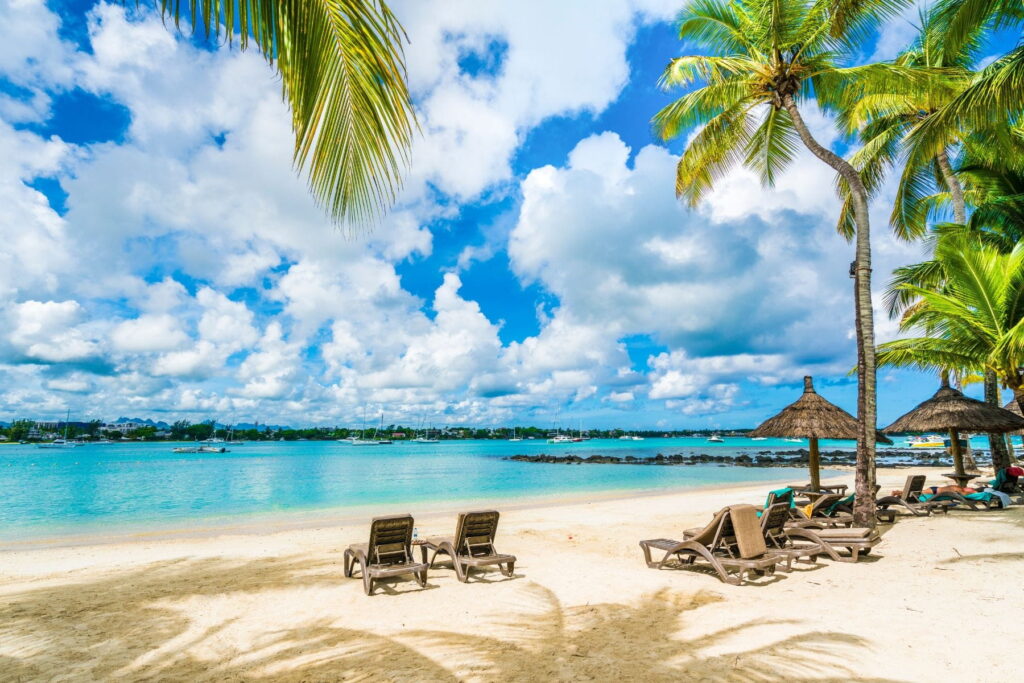
Mauritius is often imagined as a pure luxury beach destination, but the island feels far more varied once you arrive. Beyond the turquoise lagoons and palm-lined resorts, there are volcanic mountains, jungle-covered valleys, waterfalls, temples, colorful villages and scenic coastal drives that make the island feel surprisingly dynamic for its size.
The atmosphere is calm and unhurried. Days move slowly between beaches, markets, road trips and long sunsets over the Indian Ocean. Compared to some tropical destinations that focus almost entirely on resorts, Mauritius offers a balance of relaxation and exploration that appeals to travelers who want both comfort and variety.
Many visitors come for honeymoons, beaches and warm weather year-round, but end up remembering the mountain scenery, multicultural food, friendly local atmosphere and dramatic landscapes just as much as the coastline itself.
Why Visit Mauritius
- Travel style: Tropical beaches, nature, waterfalls, scenic drives, luxury resorts and relaxed island travel.
- Best experiences: Snorkeling in turquoise lagoons, hiking volcanic mountains, waterfall viewpoints, sunset beaches and coastal road trips.
- Atmosphere: Relaxed, tropical and multicultural with a slower rhythm of life than many larger beach destinations.
- Best for: Couples, honeymoon trips, photographers, families, beach holidays and nature lovers.
- Best season: May to December, especially June to October for lower humidity and comfortable temperatures.
Best Places to Visit in Mauritius
Le Morne Brabant
Le Morne Brabant is one of the most iconic landscapes in Mauritius. The dramatic mountain rising above shallow turquoise lagoons creates one of the island’s most photographed views, especially at sunrise and sunset.
Visit for beaches, hiking, kitesurfing and luxury resorts surrounded by extraordinary scenery. The peninsula feels more peaceful and visually dramatic than many resort-heavy tropical destinations.
Chamarel Seven Colored Earth Geopark
Chamarel is one of the island’s most unusual natural attractions. The rolling dunes of red, orange and purple volcanic sand look almost surreal against the surrounding tropical greenery.
The region is also known for waterfalls, rum distilleries and scenic mountain roads. Chamarel works especially well as part of a full-day island road trip through the southwest.
Black River Gorges National Park
Black River Gorges National Park reveals the greener and wilder side of Mauritius. Dense forest, mountain viewpoints, waterfalls and hiking trails create a completely different atmosphere from the coast.
Visit for hiking, photography, panoramic viewpoints and tropical nature. Travelers are often surprised by how mountainous and lush Mauritius feels once they leave the beaches behind.
Grand Bassin, also known as Ganga Talao, is one of the island’s most important spiritual sites. Surrounded by forested hills and volcanic scenery, the lakeside temple complex feels peaceful and deeply connected to the island’s Indian heritage.
Visit for culture, temples, giant statues and a quieter side of Mauritius beyond resorts and beaches.
Port Louis
Port Louis, the capital of Mauritius, feels busier and more local than the resort areas. Markets, colonial buildings, street food stalls and waterfront promenades reflect the island’s multicultural identity.
Visit for local food, shopping, museums and everyday Mauritian life. The city adds useful contrast to the beaches and resort towns.
Trou aux Cerfs is a dormant volcanic crater surrounded by greenery and panoramic viewpoints. The cooler air and elevated scenery offer a refreshing break from the tropical coastline.
Visit for short walks, viewpoints and insight into the island’s volcanic origins. It is an easy stop during central Mauritius road trips.
Grand Baie
Grand Baie is Mauritius at its liveliest. The beaches, restaurants, bars and marina atmosphere make it one of the island’s main tourist hubs, especially popular for nightlife and boat excursions.
Visit for beach cafés, catamaran trips, shopping and easy access to the northern coastline. Despite its popularity, nearby beaches and coves can still feel surprisingly relaxed outside peak seasons.
Île aux Cerfs
Île aux Cerfs is the classic image of tropical Mauritius: white sand, clear shallow water and swaying palms surrounded by bright turquoise lagoons.
Visit for snorkeling, boat trips, water sports and beach relaxation. The island can be busy during the middle of the day, but the scenery fully justifies its reputation.
Flic en Flac
Flic en Flac combines long beaches with a calmer and more residential atmosphere than some luxury resort zones. Sunsets here are especially beautiful, with calm water and views stretching toward the western mountains.
Visit for swimming, relaxed evenings, local restaurants and a more balanced mix of visitors and local life.
Best Regions in Mauritius
Le Morne Peninsula is known for luxury resorts, dramatic mountain scenery and some of the island’s most beautiful lagoons. It is ideal for couples, photographers and honeymoon trips.
Black River District combines beaches, mountains, waterfalls and national parks. This region suits travelers who want nature and outdoor activities alongside coastal relaxation.
Grand Baie offers nightlife, restaurants, boat tours and lively beach-town energy. It is best for travelers who prefer a more social atmosphere.
The East Coast Lagoons are calmer, greener and more resort-focused. The beaches here often feel quieter and more secluded than the busier northwest.
Chamarel Region is the island’s scenic volcanic heart, known for waterfalls, forests, viewpoints and winding roads through tropical hills.
The South Coast feels wilder and less developed, with rougher ocean scenery, cliffs and fewer large tourist areas. It is excellent for scenic drives and photography.
Food and Local Experiences in Mauritius
Mauritian food reflects the island’s mix of Indian, African, Chinese and French influences. Meals often combine tropical ingredients, spices and fresh seafood in ways that feel both familiar and unique.
Street food is an important part of the experience. Dholl puri, stuffed flatbreads served with curries and chutneys, are one of the island’s most loved everyday foods. Markets and roadside stands also sell grilled fish, samosas, tropical fruit and fresh juices.
Seafood is naturally central to many meals, especially along the coast. Octopus curry, grilled fish and coconut-based dishes appear frequently on local menus.
Rum distilleries, vanilla plantations and small cafés add another layer to the food culture. Mauritius feels less polished and commercial than some luxury island destinations, which makes local dining experiences feel more authentic and relaxed.
Best Experiences in Mauritius
Drive around the island and watch the scenery constantly change. One moment you are beside turquoise lagoons and white beaches, and an hour later you are surrounded by volcanic mountains, waterfalls and jungle-covered valleys.
Watch sunset from the beaches near Le Morne or Flic en Flac, where the light over the Indian Ocean becomes especially beautiful in the late afternoon.
Take a boat trip to Île aux Cerfs or smaller offshore islands for snorkeling, swimming and clear-water lagoons that look almost unreal in bright sunlight.
Hike in Black River Gorges National Park for panoramic viewpoints and tropical forest scenery rarely associated with classic beach holidays.
Explore temples, local villages and markets to understand the island’s multicultural identity beyond the resorts. Mauritius feels calmer and more grounded than many heavily commercialized tropical destinations.
Visit waterfalls such as Chamarel Falls after rainfall, when the tropical landscape becomes especially lush and dramatic.
Practical Tips for Visiting Mauritius
The best time to visit Mauritius is from May to December, when temperatures are slightly cooler and humidity is lower. June to October is especially comfortable for outdoor activities, hiking and road trips.
The island has warm weather year-round, but the summer months from January to March can feel hotter, more humid and occasionally affected by tropical storms.
Renting a car is the best way to explore Mauritius. Distances are relatively short, but roads can be slower and more winding than travelers expect. Driving allows easy access to beaches, waterfalls, mountain viewpoints and smaller villages.
Buses connect larger towns and cities and are affordable, but they are slower than driving and less practical for travelers wanting to explore multiple regions efficiently.
Mauritius can work for both luxury and mid-range travel budgets. High-end resorts are famous worldwide, but guesthouses, apartments and local restaurants make independent travel surprisingly accessible.
Beach conditions vary around the island. The west coast is generally calmer and better for sunsets, while the east coast often feels greener and windier. The south is more rugged and scenic, with fewer swimming-friendly beaches.
For photographers, early mornings and late afternoons provide the best light. Beaches and viewpoints become far more atmospheric once day-tour crowds begin to disappear.
Who Should Visit Mauritius
Mauritius is ideal for couples and honeymoon travelers thanks to its combination of luxury resorts, beaches, privacy and dramatic scenery. The island feels romantic without being overly busy or overwhelming.
Families will appreciate the calm lagoons, short travel distances, warm weather and wide range of accommodation options.
Photographers will find endless opportunities in volcanic mountains, waterfalls, tropical forests, colorful temples and turquoise coastlines. Mauritius changes character constantly depending on weather and light.
Nature lovers should explore Black River Gorges National Park, Chamarel and the southern coastline, where the island’s volcanic origins become most visible.
Beach travelers can easily spend an entire holiday relaxing between lagoons, catamaran trips and snorkeling spots. Mauritius is especially attractive for travelers who want tropical scenery without sacrificing comfort and infrastructure.
Road trip travelers and slow travelers will enjoy the island’s compact size and variety. Mauritius rewards people who take time to stop at viewpoints, beaches, roadside cafés and small villages rather than rushing between resorts.
More Places to Visit Near Mauritius
- Réunion Island: A dramatic volcanic island perfect for hiking, mountains and adventure travel.
- Seychelles: Known for granite boulders, luxury beaches and quieter tropical island scenery.
- Madagascar: Ideal for wildlife, baobab landscapes and unique biodiversity.
- Zanzibar: Combines tropical beaches with historic Swahili culture and spice markets.
- South Africa: Easy to combine with safari trips, Cape Town and scenic road journeys.
- Maldives: Famous for overwater villas and ultra-luxury island resorts.
- Dubai: A common stopover destination combining modern luxury with desert experiences.