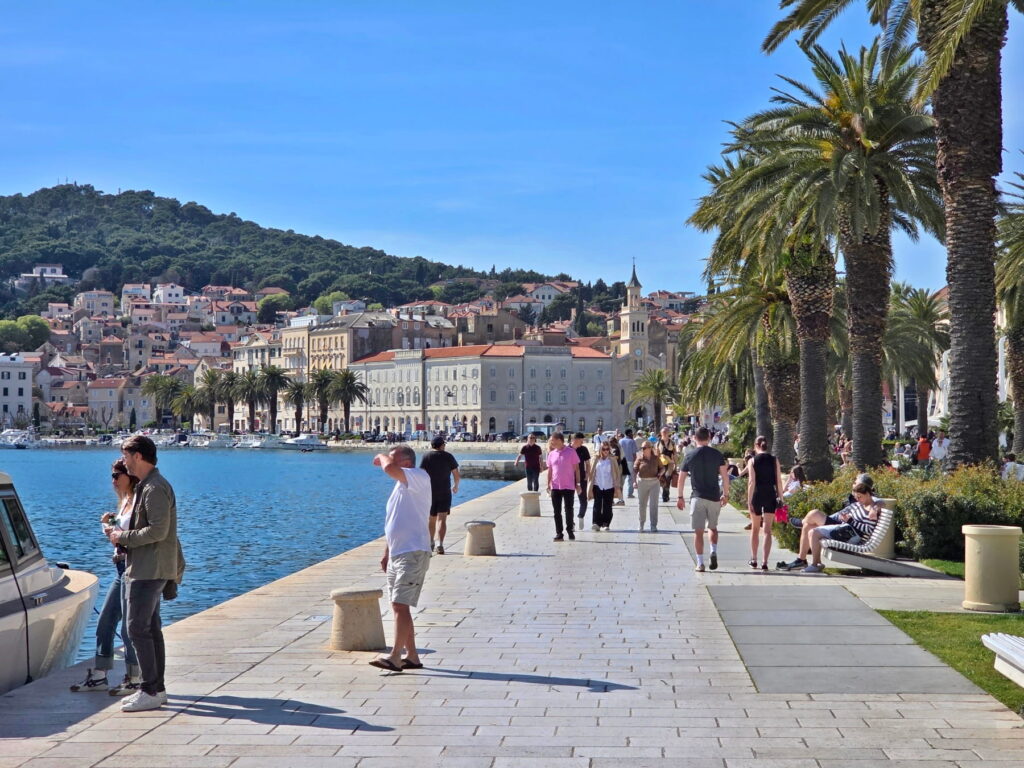
Dalmatia is one of the most beautiful and rewarding regions to visit in Croatia. Stretching along the Adriatic coast from the Zadar area in the north to Dubrovnik in the south, it combines historic seaside towns, clear blue water, dramatic mountains, national parks, island views, and some of the most famous landmarks in the country.
For independent travelers, Dalmatia is especially attractive because it is easy to explore by car. You can visit Roman ruins in Split in the morning, swim on the Makarska Riviera in the afternoon, and watch the sunset over the sea in Zadar or Dubrovnik in the evening. The region is also full of smaller places that make a trip feel more personal — quiet villages, viewpoints, bridges, monasteries, local markets, and old stone streets away from the main tourist crowds.
This guide focuses on the best places to visit in Dalmatia, how to plan your route, how many days you need, and which destinations are worth adding to your itinerary.
Where is Dalmatia?
Dalmatia is located in southern Croatia, along the eastern coast of the Adriatic Sea. It is usually divided into northern, central, and southern Dalmatia. The region includes famous cities such as Zadar, Šibenik, Split, Makarska, and Dubrovnik, as well as many smaller coastal towns and islands.
The main coastal road and the A1 motorway make it relatively easy to travel between the most important places. Zadar, Split, and Dubrovnik also have international airports, so Dalmatia works well both for road trips and fly-and-drive holidays.
Why Visit Dalmatia?
Dalmatia is one of Croatia’s strongest travel regions because it offers much more than beaches. The coastline is beautiful, but the real charm comes from the combination of sea, history, architecture, food, and nature.
- Historic cities: Split, Trogir, Šibenik, Zadar, and Dubrovnik all have remarkable old towns.
- UNESCO sites: Dalmatia has several major cultural landmarks, including Diocletian’s Palace, Trogir Old Town, Dubrovnik Old Town, and the Cathedral of St. James in Šibenik.
- Beautiful beaches: The Makarska Riviera, Brela, Baška Voda, and Gradac are among the best coastal areas in Croatia.
- Nature attractions: Krka National Park, Biokovo, the Cetina River canyon, and island landscapes offer excellent day trips.
- Road trip potential: Dalmatia is ideal for travelers who want to move between several towns rather than stay in one resort.
Best Places to Visit in Dalmatia
Zadar
Zadar is one of the best starting points for a trip through Dalmatia. Its historic center sits on a peninsula surrounded by the Adriatic Sea, and the city offers a very good mix of history, atmosphere, restaurants, and coastal views.
The most famous attractions are the Sea Organ and the Greeting to the Sun, both located on the waterfront. They are especially popular at sunset, when locals and visitors gather along the promenade to watch the light change over the sea. In the old town, do not miss the Roman Forum, the Church of St. Donatus, Kalelarga Street, and the city walls.
Zadar is practical for travelers because it has good road connections, an airport, and easy access to other northern Dalmatian destinations. From here, you can make short trips to Nin, Pag Island, Vir Island, the Maslenica Bridge, or even Krka National Park.
How much time do you need? Half a day is enough for the historic center, but one full day is better if you want to enjoy the waterfront, restaurants, and sunset without rushing.
Nin
Nin is a small historic town located just north of Zadar. It is much quieter than the major coastal cities, but it has a very distinctive atmosphere. The old town is built on a small island connected to the mainland by bridges, which makes it easy and pleasant to explore on foot.
The town is known for the Church of the Holy Cross, often described as one of the smallest cathedrals in the world, although technically the title is more poetic than official. Nin is also famous for sandy beaches, shallow lagoons, salt production, and views of the Velebit mountains in the distance.
Nin works very well as a short stop from Zadar. It is also a good destination for families because the beaches around the town are shallow and different from the typical pebble beaches found elsewhere in Croatia.
How much time do you need? Two to three hours are enough for the old town, but you can easily spend half a day if you include the beach.
Šibenik
Šibenik is one of the most attractive historic cities in Dalmatia and often feels more local than Split or Dubrovnik. Its old town rises from the waterfront into a maze of stone alleys, stairways, small squares, churches, and viewpoints.
The main landmark is the Cathedral of St. James, a UNESCO World Heritage Site and one of the most important architectural monuments in Croatia. The city also has several fortresses, including St. Michael’s Fortress, which offers excellent views over the rooftops, the sea, and nearby islands.
Šibenik is a great base for visiting Krka National Park, but it should not be treated only as a stop on the way to the waterfalls. The old town has enough character for a relaxed afternoon or evening, especially if you enjoy photography, stone streets, and authentic coastal atmosphere.
How much time do you need? Half a day is enough for the old town and cathedral, but one full day is ideal if you want to include one or two fortresses.
Krka National Park
Krka National Park is one of the most popular natural attractions in Dalmatia. It is best known for its waterfalls, wooden walking paths, river scenery, and boat trips. The park is easy to reach from Šibenik, Zadar, Trogir, and Split, which makes it one of the most common day trips in the region.
The most famous area is Skradinski Buk, where trails lead through a landscape of small waterfalls, pools, and river channels. Krka is not only about nature; the park also includes historic mills, monasteries, viewpoints, and cultural sites connected with life along the river.
During the high season, Krka can be very crowded, especially around the main waterfall area. Arriving early in the morning or later in the afternoon is usually a better choice. Outside July and August, the visit is much more relaxed.
How much time do you need? Plan at least half a day. A full day is better if you want to combine several entrances, boat trips, or viewpoints.
Visovac Monastery
Visovac Monastery is one of the most photogenic places in Dalmatia. It stands on a small island in the middle of the Krka River, surrounded by calm water, green hills, and dramatic canyon scenery.
You can visit the monastery by organized boat trip within Krka National Park, but it is also worth seeing from above. Several viewpoints near the village of Dubravice offer a beautiful “aerial” view of the island and the river landscape. This is one of the best photography spots in the area, especially in good light.
Visovac is ideal for travelers who want to add a quieter and more scenic stop to their Krka itinerary. It gives the region more depth than simply visiting the main waterfalls.
How much time do you need? Around one hour is enough for the viewpoint. Allow more time if you take a boat trip to the island.
Primošten
Primošten is one of the most picturesque coastal towns in Dalmatia. Its old town occupies a small peninsula connected to the mainland, with stone houses, narrow lanes, sea views, and a church at the highest point.
The town is smaller than Split or Zadar, but that is exactly why it works so well as a stop on a Dalmatian road trip. You can walk through the old streets, enjoy the waterfront, have lunch or dinner by the sea, and take photos from the surrounding viewpoints.
Primošten is also known for beaches and vineyards in the surrounding area. It is a good destination between Šibenik and Trogir, especially if you do not want every stop on your itinerary to be a large city.
How much time do you need? Two to four hours are enough for a visit, but it is also a pleasant place to stay overnight.
Trogir
Trogir is one of the most beautiful historic towns in Croatia. Its old town is located on a small island between the mainland and Čiovo Island, and the entire historic center is listed as a UNESCO World Heritage Site.
The town is compact but full of detail. Highlights include the Cathedral of St. Lawrence, Kamerlengo Fortress, the waterfront promenade, city gates, small squares, and narrow stone streets. Trogir is especially attractive because you can explore it slowly without needing complicated transport or a long sightseeing plan.
Its location close to Split Airport makes Trogir a very practical stop at the beginning or end of a trip. It also works well as a base for exploring Split, Kaštela, Primošten, and nearby beaches.
How much time do you need? Half a day is enough for the old town, but staying until evening is recommended. Trogir is particularly atmospheric after the day-trip crowds leave.
Split
Split is the largest city in Dalmatia and one of the best bases for exploring the region. It combines ancient Roman architecture with a living modern city, ferry connections, restaurants, markets, beaches, and day-trip options.
The main attraction is Diocletian’s Palace, a UNESCO-listed Roman palace that now forms the heart of the old town. Unlike many ancient ruins, this is not just an archaeological site. People still live, work, eat, and shop inside the palace walls, which gives Split a unique atmosphere.
Other highlights include the Riva promenade, Peristyle Square, the Cathedral of Saint Domnius, the fish market, Marjan Hill, and nearby beaches. Split is also the main gateway to several islands, including Brač, Hvar, Vis, and Šolta.
How much time do you need? One full day is the minimum. Two days are better if you want to include Marjan Hill, beaches, markets, or a boat trip.
Kaštela
Kaštela is a chain of historic coastal settlements located between Split and Trogir. Many travelers pass through the area without stopping, but it can be a rewarding place if you enjoy quieter seaside towns and local atmosphere.
Kaštel Gomilica is known for its small waterfront castle, which has become familiar to many visitors thanks to its appearance as a filming location. Kaštel Lukšić is another attractive stop, with old stone houses, a calm waterfront, and a more relaxed feeling than nearby Split or Trogir.
The Kaštela area is best visited by car. It is not necessarily a full-day destination, but it works very well as a slower stop between larger cities. It also helps balance a Dalmatian itinerary that might otherwise focus only on the most famous places.
How much time do you need? Two to three hours are enough for a short visit to one or two settlements.
Makarska
Makarska is the main town of the Makarska Riviera, one of the most beautiful coastal areas in Dalmatia. The town sits between the Adriatic Sea and the dramatic Biokovo mountains, creating one of the most impressive settings on the Croatian coast.
Makarska is busier and more developed than smaller places such as Brela or Gradac, but it offers more restaurants, nightlife, boat trips, beaches, and accommodation options. The waterfront promenade, harbor, old town streets, and beaches make it a popular summer destination.
The town is also a good base for visiting Biokovo Nature Park and the Biokovo Skywalk. If you want a mix of beach holiday, mountain views, and coastal atmosphere, Makarska is one of the strongest choices in central Dalmatia.
How much time do you need? Half a day is enough for a stop, but two or three nights make sense if you want to explore the Riviera.
Brela and Baška Voda
Brela and Baška Voda are among the best beach destinations on the Makarska Riviera. Brela is especially famous for its clear water, pine trees, pebble beaches, and the well-known Brela Rock near Punta Rata Beach.
Baška Voda has a more developed resort feel, with a long promenade, restaurants, cafés, beaches, and views of Biokovo. Both places are excellent for travelers who want a classic Croatian seaside experience with beautiful scenery and easy access to swimming.
These towns are best visited outside the busiest part of summer if you want a more relaxed atmosphere. In July and August, parking can be difficult and beaches can become crowded.
How much time do you need? A few hours are enough for a short stop, but this area is better enjoyed slowly over one or two days.
Gradac
Gradac is located toward the southern end of the Makarska Riviera. It is smaller and calmer than Makarska, but still offers beaches, restaurants, accommodation, and sea views.
For travelers heading toward Dubrovnik, Gradac can be a useful stop or overnight base. It has a more relaxed rhythm and can feel less intense than the larger resorts further north. The surrounding coastline is scenic, and the town works well for swimming, walking, and a slower evening by the sea.
Gradac is not a major sightseeing destination, but it adds variety to a Dalmatian route. It is a good reminder that the region is not only about famous UNESCO towns, but also about smaller seaside places where the appeal is simple: beach, sea, food, and a relaxed evening.
How much time do you need? A short stop is enough, but it also works well as a quiet overnight stay.
Dubrovnik
Dubrovnik is one of the most famous destinations in Croatia and one of the most iconic historic cities in Europe. Its stone walls, towers, marble streets, churches, monasteries, and sea views make it a natural highlight of any Dalmatian itinerary.
The old town is the main attraction. Walking the city walls is the classic experience, offering views over red rooftops, the Adriatic Sea, and nearby Lokrum Island. Inside the walls, visitors can explore Stradun, Rector’s Palace, the Franciscan Monastery, old churches, and small lanes climbing toward the upper parts of the city.
Dubrovnik is beautiful, but it is also expensive and very crowded in high season. The best experience is usually early in the morning or later in the evening, especially when cruise ship crowds are smaller.
How much time do you need? One full day is enough for the old town, but two days are better if you want to include beaches, viewpoints, Lokrum Island, or a slower pace.
Best Nature Attractions in Dalmatia
Krka National Park
Krka is the most accessible national park for many travelers staying in central Dalmatia. Its waterfalls, walking paths, river landscapes, and boat connections make it one of the best nature-focused day trips in the region.
Makarska Riviera
The Makarska Riviera is one of the most scenic stretches of coast in Croatia. The combination of clear water, pebble beaches, pine trees, and the Biokovo mountains creates a dramatic landscape that is ideal for swimming, photography, and coastal road trips.
Biokovo Skywalk
Biokovo Skywalk is one of the most spectacular viewpoints in Dalmatia. Located high above Makarska, it offers wide views over the sea, islands, coastline, and mountains. It is best visited in clear weather and with enough time for the drive into Biokovo Nature Park.
Maslenica Bridge
The Maslenica Bridge near Posedarje is an impressive road bridge spanning a dramatic canyon. It is not a classic tourist attraction, but it is a great stop for travelers interested in viewpoints, road-trip photography, and lesser-known places near Zadar.
Cetina River Canyon
The Cetina River canyon near Omiš is one of the best outdoor areas in central Dalmatia. It is known for dramatic cliffs, river scenery, rafting, zipline activities, and viewpoints above the town.
Best Historic and Cultural Attractions in Dalmatia
Diocletian’s Palace in Split
Diocletian’s Palace is one of the most important Roman monuments in Europe. What makes it special is that it is not separated from modern life. The palace is still part of the living city, filled with restaurants, apartments, shops, churches, and narrow streets.
Trogir Old Town
Trogir is one of the best-preserved historic towns in Croatia. Its compact old center is ideal for walking and offers a strong mix of medieval, Renaissance, and Venetian architecture.
Cathedral of St. James in Šibenik
The Cathedral of St. James is one of the most important landmarks in Dalmatia. It is famous for its stone construction, sculptural details, and UNESCO status.
Dubrovnik City Walls
The walls of Dubrovnik are among the most famous fortifications in Europe. Walking the walls is one of the best ways to understand the scale, beauty, and strategic position of the city.
Benkovac Castle
Benkovac Castle is a smaller and less visited historic site inland from the coast. It adds a different perspective to Dalmatia, showing that the region is not only about seaside towns and beaches.
Local Food and Drinks in Dalmatia
Dalmatian cuisine is based on simple Mediterranean ingredients: fish, seafood, olive oil, vegetables, herbs, wine, and grilled meat. The best meals are often not complicated, but they depend heavily on freshness and quality.
- Grilled fish: A classic dish along the entire coast.
- Black risotto: Made with cuttlefish or squid ink.
- Octopus under peka: Slowly cooked under a metal bell with potatoes and herbs.
- Dalmatian pršut: Dry-cured ham often served with cheese and olives.
- Pag cheese: Famous sheep cheese from the island of Pag.
- Seafood pasta: Common in coastal restaurants.
- Olive oil: Used widely in salads, fish dishes, and simple starters.
- Local wines: Especially from Pelješac, nearby islands, and coastal vineyards.
For a more local experience, look for konobas rather than only waterfront tourist restaurants. Prices can be much higher in Dubrovnik, Split, and popular resort towns during peak season.
Suggested Dalmatia Itineraries
3-Day Dalmatia Itineraries
Three days are enough to experience some of the highlights of Dalmatia, but not enough to explore the entire region. Depending on your interests and arrival airport, you can choose between a northern or southern Dalmatia itinerary.
Northern Dalmatia in 3 Days
This itinerary focuses on historic towns, UNESCO sites and one of Croatia’s most beautiful national parks. It is ideal for travelers arriving in Split or Zadar who want to explore northern and central Dalmatia.
South Dalmatia in 3 Days
This itinerary focuses on Dubrovnik and the southern Adriatic coast. It is perfect for travelers who want to discover Dubrovnik’s historic center, the famous city walls and some of the most scenic coastal landscapes in Croatia.
- Day 1: Dubrovnik Old Town and City Walls
- Day 2: Ston and the Pelješac Peninsula
- Day 3: Makarska, Brela and Biokovo Skywalk
Dalmatia in 5 Days
Five days is probably the most balanced length for a first trip. You can visit the main historic cities, spend time by the sea, and include at least one nature attraction without rushing too much.
- Day 1: Zadar and Nin
- Day 2: Šibenik and Krka National Park
- Day 3: Primošten and Trogir
- Day 4: Split and Kaštela
- Day 5: Makarska Riviera
Dalmatia in 7 Days
One week gives you enough time to explore Dalmatia from north to south. You can include Zadar, Šibenik, Split, the Makarska Riviera, and Dubrovnik, while still leaving space for beaches and viewpoints.
- Day 1: Zadar, Nin and Maslenica Bridge
- Day 2: Benkovac, Biograd na Moru, Pirovac and Šibenik
- Day 3: Krka National Park and Visovac Monastery
- Day 4: Primošten, Trogir, and Kaštela
- Day 5: Split
- Day 6: Brela, Baška Voda, Makarska, and Gradac
- Day 7: Dubrovnik
Dalmatia Road Trip: 7–10 Days
A road trip is one of the best ways to experience Dalmatia. It allows you to combine famous cities with smaller stops, viewpoints, beaches, and less obvious places. A good route can start in Zadar and continue south through Šibenik, Trogir, Split, Makarska, and Dubrovnik.
This format is especially useful for travelers arriving by car from Central Europe or renting a car at one of the airports.
How Many Days Do You Need in Dalmatia?
1–2 Days
With only one or two days, focus on one main area. Good options include Split and Trogir, Zadar and Nin, or Dubrovnik and nearby viewpoints. Do not try to cover the whole region in such a short time.
3–5 Days
Three to five days are enough for a strong introduction to Dalmatia. You can combine two or three historic cities with one national park and a few smaller coastal stops.
One Week
One week is ideal for a proper Dalmatian trip. You can travel from northern to southern Dalmatia, include several UNESCO sites, visit Krka National Park, relax on the Makarska Riviera, and finish in Dubrovnik.
Practical Travel Tips for Dalmatia
Best Time to Visit
The best months to visit Dalmatia are May, June, September, and early October. The weather is usually warm, the sea is pleasant for swimming, and the main towns are less crowded than in peak summer.
July and August are the busiest and most expensive months. They are good for beach holidays, but sightseeing in cities such as Dubrovnik, Split, and Trogir can be hot and crowded.
Transportation
A car is the best way to explore Dalmatia in detail. Public transport connects major cities, but smaller places, viewpoints, beaches, and inland attractions are much easier to reach by car.
If you stay only in Split, Dubrovnik, or Zadar, you can manage without a car for a short city break. For a regional itinerary, renting a car is strongly recommended.
Parking
Parking can be difficult near historic centers, especially in summer. Most old towns have restricted access, so it is usually better to park outside the center and walk in.
In places like Trogir, Split, Dubrovnik, and Makarska, arrive early or expect higher parking prices during peak season.
Costs
Dalmatia is no longer a cheap destination, especially in summer. Dubrovnik and Split are usually the most expensive cities, while smaller towns and inland stops can be more affordable.
Accommodation prices rise sharply in July and August. Traveling in June or September can offer much better value.
Crowds
The most crowded places in Dalmatia are Dubrovnik Old Town, Diocletian’s Palace in Split, Trogir Old Town, Krka National Park, and popular beaches on the Makarska Riviera.
For a better experience, visit famous sights early in the morning or later in the afternoon. Smaller places such as Pirovac, Benkovac, Gradac, and parts of Kaštela can help balance the trip.
More Places to Explore Nearby
Omiš
Omiš is a historic town located where the Cetina River meets the Adriatic Sea. It is one of the best places in Dalmatia for travelers who want to combine old streets, mountain views, river activities, and dramatic scenery.
Ston
Ston is famous for its long medieval walls, salt pans, and oysters. It is a good stop when traveling toward the Pelješac Peninsula or Dubrovnik.
Pelješac Peninsula
Pelješac is known for wine, coastal villages, beaches, and views toward nearby islands. It is a strong addition to a longer southern Dalmatia itinerary.
Pag Island
Pag has a very different landscape from the mainland, with rocky scenery, beaches, salt, cheese, and distinctive island atmosphere. It is best covered in a separate Croatian islands guide.
Vir Island
Vir is close to Zadar and can be visited as a short coastal trip. It is more of a beach and holiday destination than a classic sightseeing stop.
Kornati Islands
The Kornati Islands form one of Croatia’s most impressive archipelagos. They are best visited by boat trip from Zadar, Šibenik, or nearby coastal towns.
Final Thoughts on Visiting Dalmatia
Dalmatia is one of the best regions in Croatia for travelers who want variety. You can explore ancient cities, swim in clear water, visit waterfalls, drive along scenic coastal roads, and stop in small towns that still feel relaxed and local.
For a first trip, focus on the main route between Zadar, Šibenik, Split, the Makarska Riviera, and Dubrovnik. If you have more time, add smaller places such as Nin, Primošten, Kaštela, Visovac Monastery, Benkovac, and the Maslenica Bridge.
The best Dalmatia itinerary is not only about checking off famous places. It is about combining the big highlights with slower stops, beaches, viewpoints, and evenings by the sea. That is where the region really starts to work.