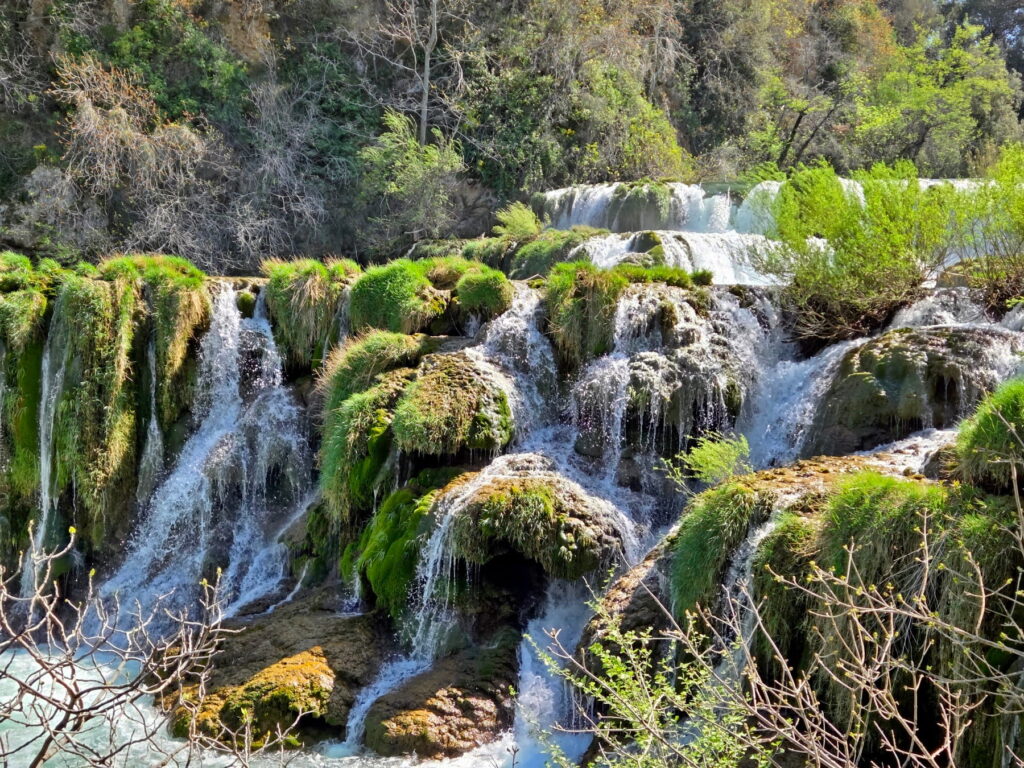
Krka National Park is one of the most impressive natural destinations in Croatia, known for its waterfalls, wooden walkways, and emerald-green river scenery. Often compared to Plitvice Lakes, Krka feels more accessible and easier to combine with a coastal road trip through Dalmatia. Travelers come here for the dramatic waterfalls, peaceful walking trails, and relaxed atmosphere around the river. The park works especially well for families, couples, and anyone looking for a slower nature experience between cities like Šibenik and Zadar. If you are searching for the best things to do in Krka National Park, expect a mix of scenic viewpoints, quiet monastery visits, and easy walking routes surrounded by water and forest.
Top Things to Do in Krka National Park
- See the famous Skradinski Buk waterfalls
- Walk the wooden boardwalk trails through the park
- Take a boat trip to Visovac Monastery
- Visit early in the morning to avoid crowds
- Enjoy panoramic viewpoints above the waterfalls
- Combine Krka with a day trip from Šibenik or Zadar
- Stop for lunch near the river after the walk
Skradinski Buk Waterfalls
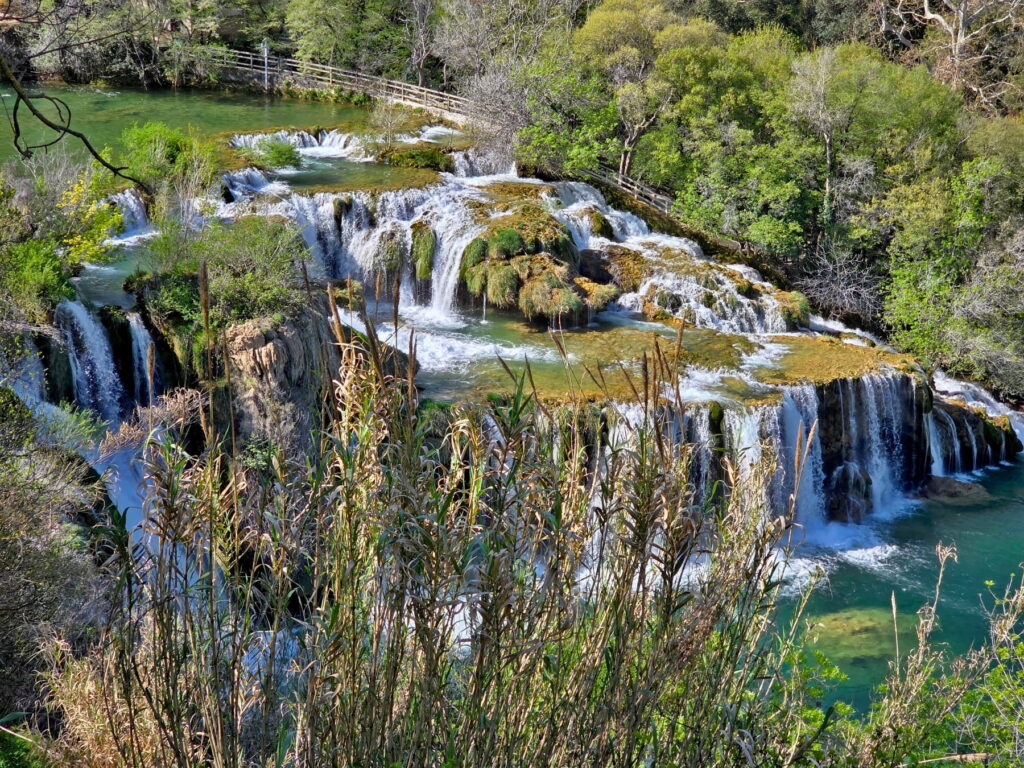
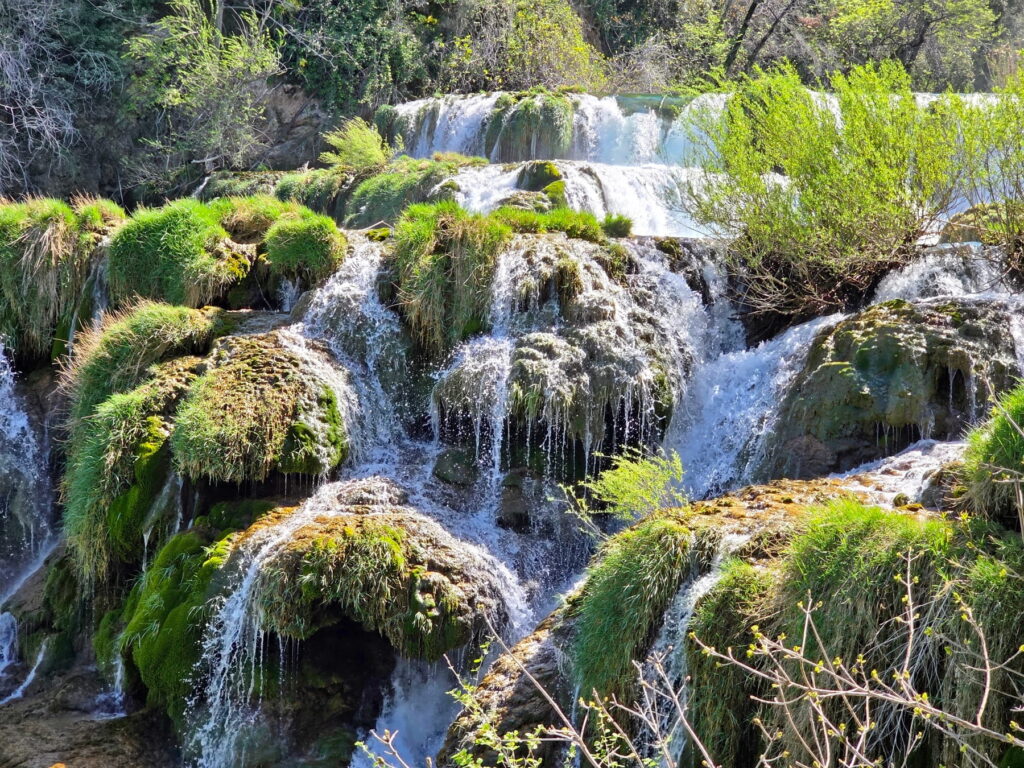
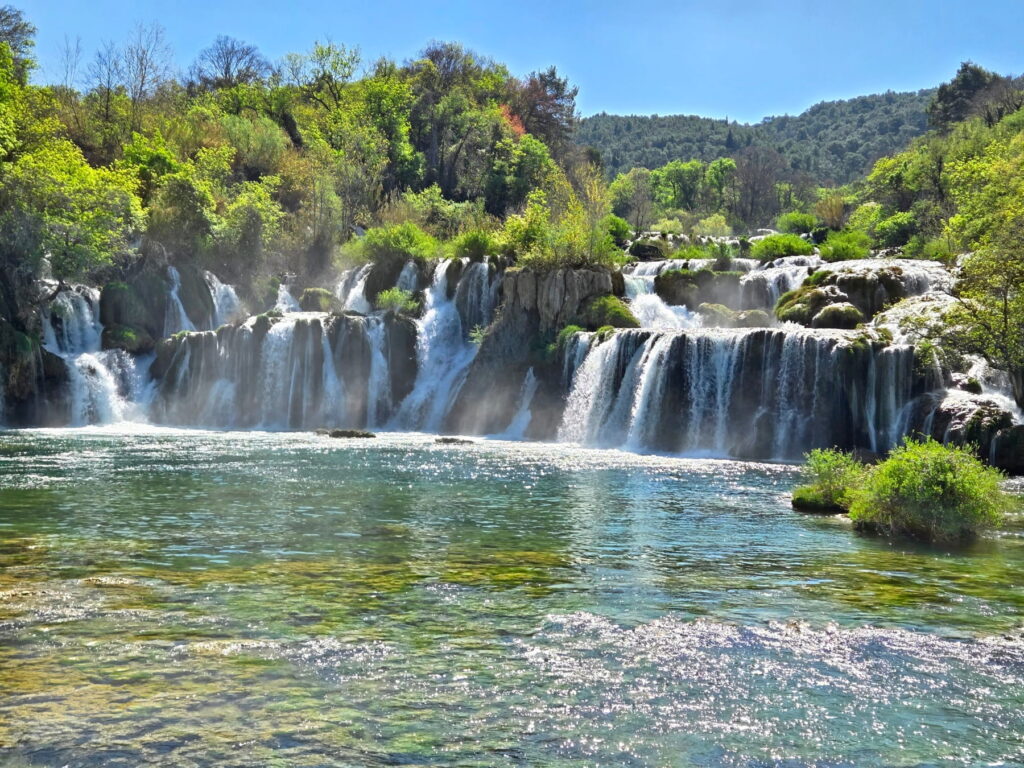
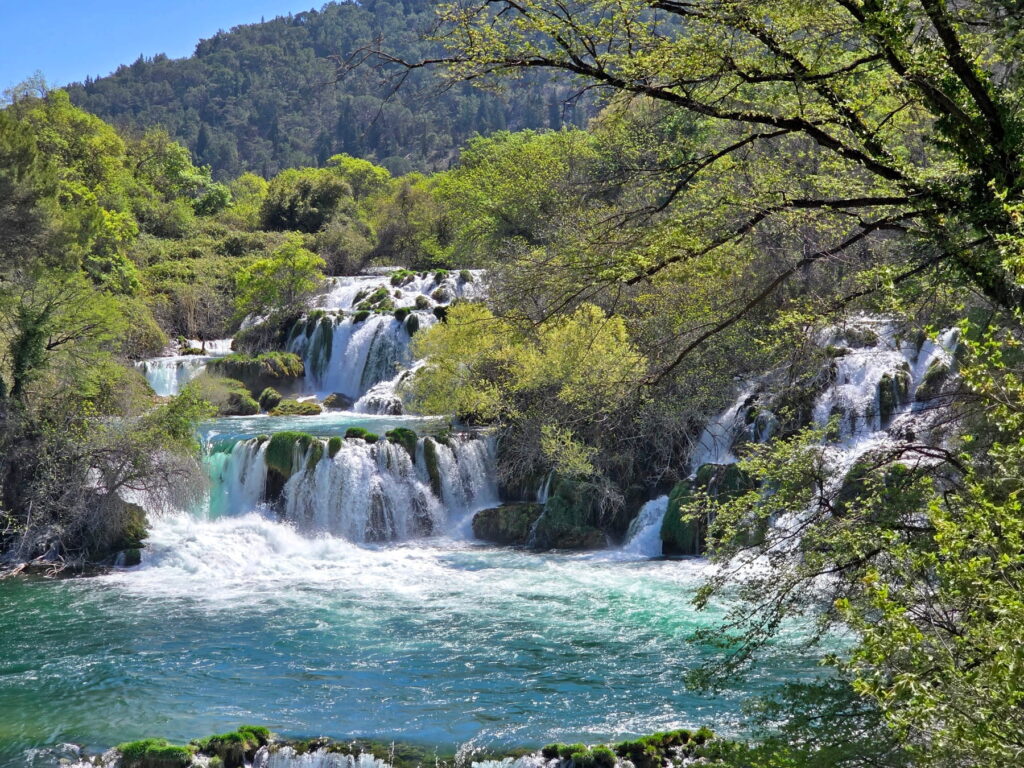
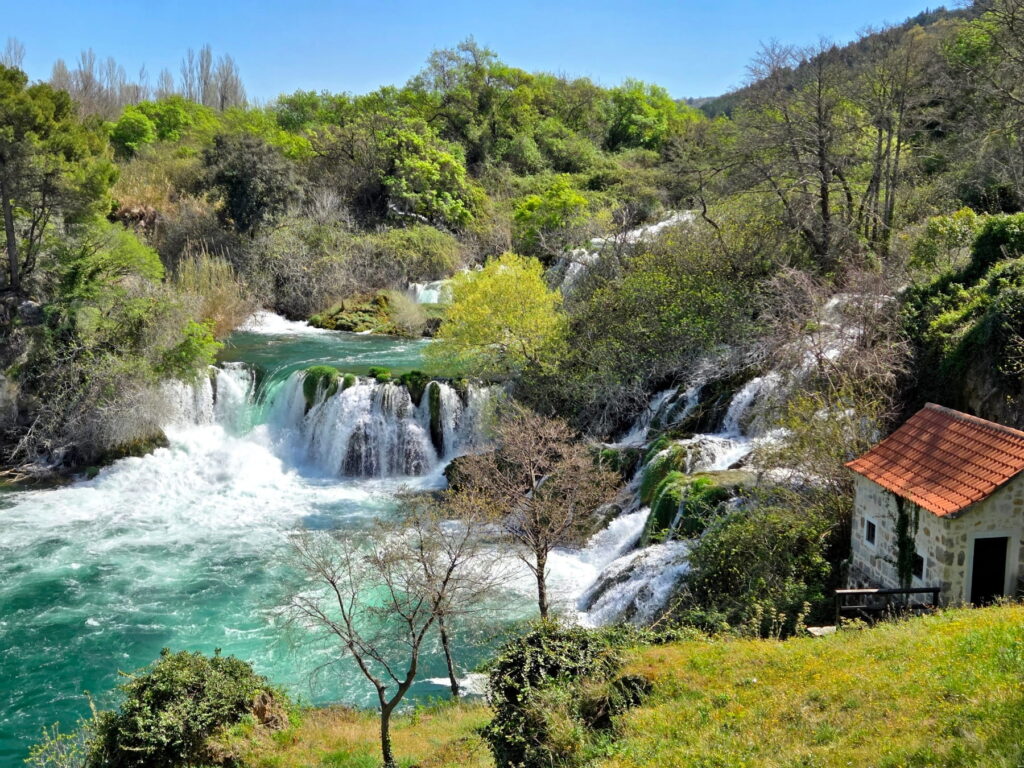
Skradinski Buk is the main attraction of Krka National Park and easily one of the most photographed natural places in Croatia. The wide series of waterfalls flows through multiple levels, creating a landscape that looks almost unreal in the afternoon light. Unlike some national parks where viewpoints are far apart, here you walk directly through the scenery on wooden paths close to the water.
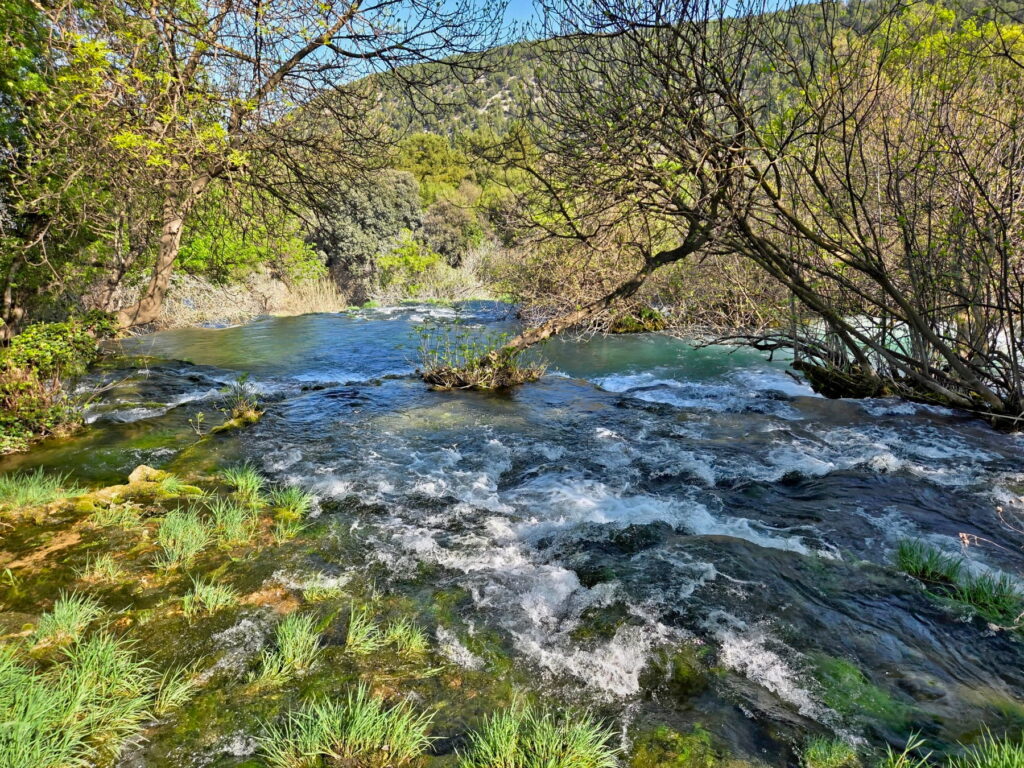
The atmosphere changes throughout the day. Early morning feels calm and quiet, while midday becomes much busier with tour groups arriving from the coast. Afternoon light is often better for photography because the main waterfall is less affected by direct sun.
Tip: Arrive right after opening time for the best experience and fewer people on the boardwalks.
Walk the Wooden Boardwalk Trails
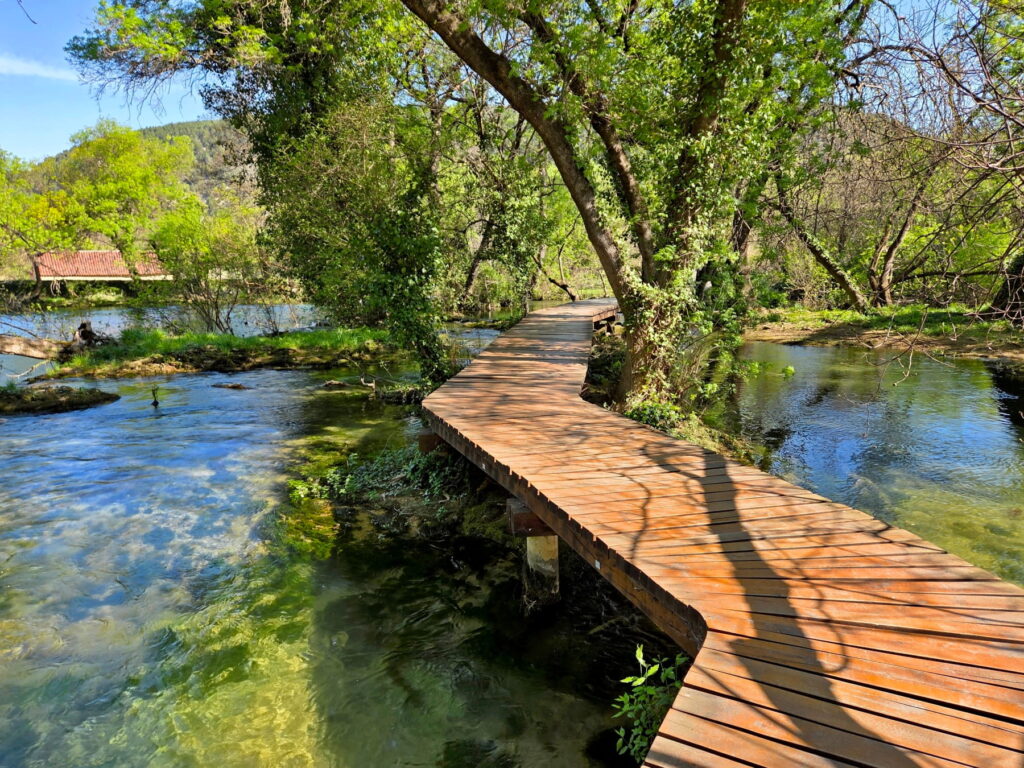
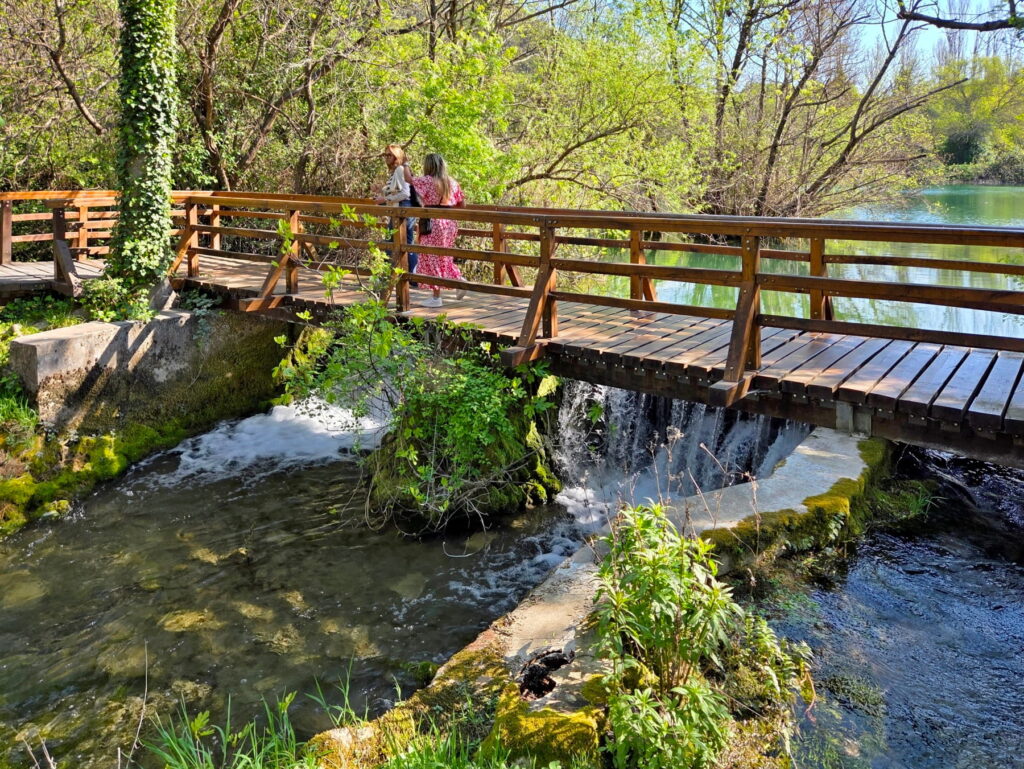
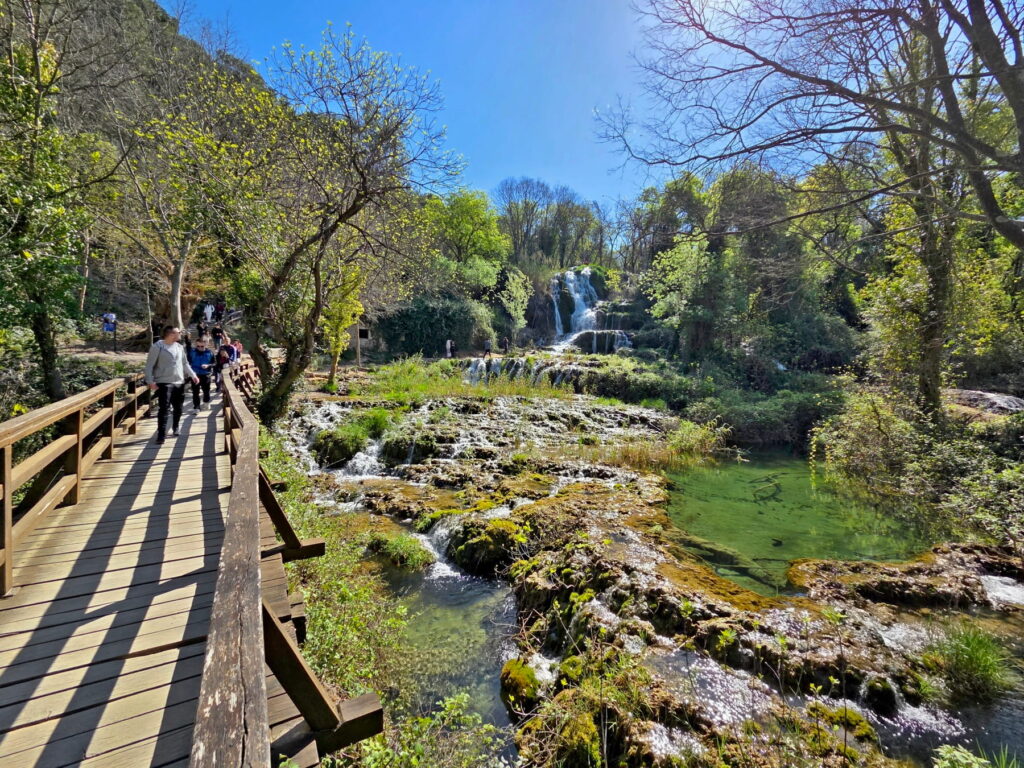
The walking route around Skradinski Buk is one of the highlights of visiting Krka. The trails are easy, partly flat, but with a gradual elevation gain and suitable for families with children. Wooden bridges and pathways cross small streams, waterfalls, and shaded forest sections, making the entire walk feel relaxed rather than demanding.
The full circular route usually takes around two hours if you stop for photos and viewpoints. You constantly hear flowing water in the background, and even during busy periods, there are quieter corners away from the main platforms.
Tip: Wear comfortable shoes because some wooden sections can become slippery.
Take the Shuttle Bus into the Park
One practical detail many visitors appreciate is the organization at the main entrances. Large parking areas are available, and shuttle buses transport visitors closer to the waterfall area. This makes the visit easier, especially during hot summer days when walking long distances in the heat would be exhausting.
The system works efficiently even in high season. After finishing the walking route, the shuttle bus takes visitors back to the parking area again.
Tip: Keep your entrance ticket accessible because staff may check it before boarding the shuttle.
Boat Trip to Visovac Monastery
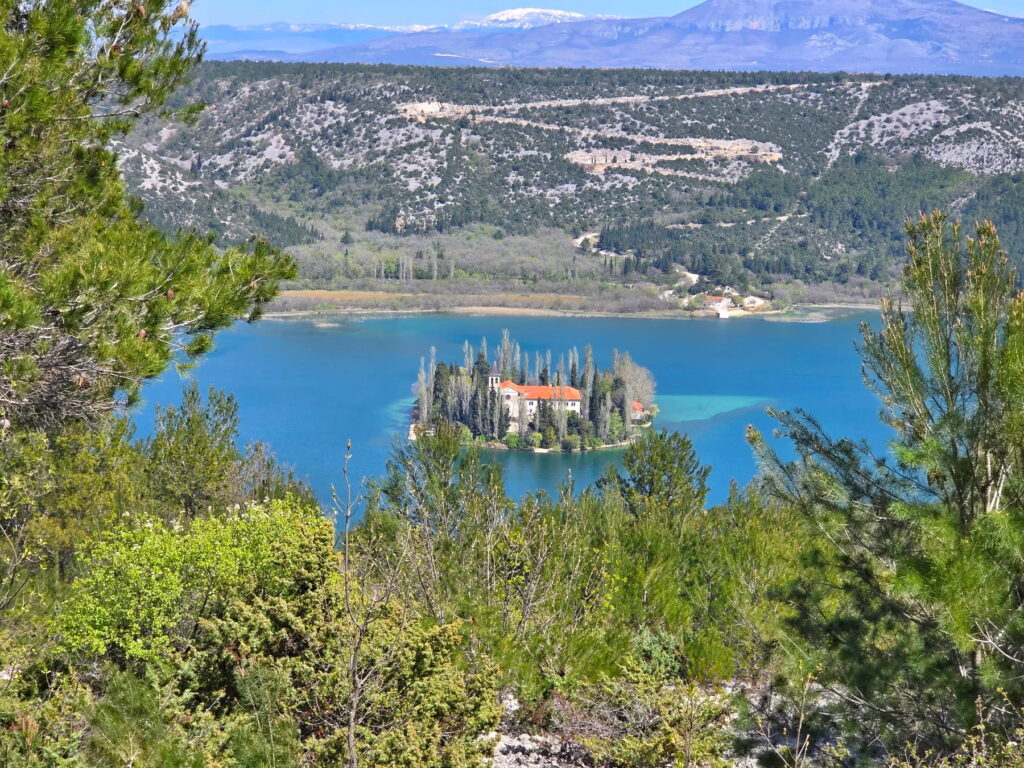
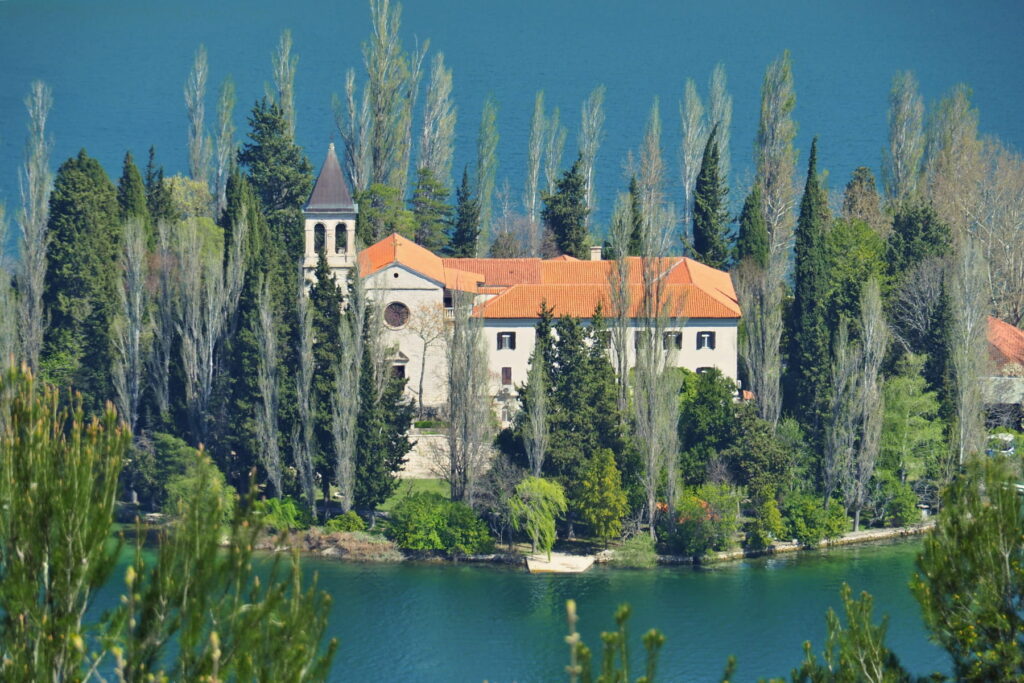
After visiting the waterfalls, continue deeper into the park toward Visovac Monastery. Located on a small island in the middle of the Krka River, the monastery creates a completely different atmosphere from the busy waterfall area. The surroundings feel peaceful, with still water and forested hills replacing the louder tourist sections near Skradinski Buk.
The short boat ride itself is part of the experience. On calm days, the reflections on the river are beautiful, especially in late afternoon light.
Tip: Combine Visovac with the waterfalls in one day instead of rushing back to the coast immediately.
Explore Krka as a Day Trip from Šibenik or Zadar
Krka National Park is easy to visit from several Dalmatian coastal towns. Šibenik is the closest major base and makes the most convenient starting point. Zadar also works well for a day trip, especially for travelers exploring northern Dalmatia by car. Compared to busier destinations like Dubrovnik or Split, this part of Croatia feels more relaxed and less crowded outside peak summer weekends.
The drive itself is scenic, with olive groves, rocky hills, and glimpses of the Adriatic coastline along the way.
Tip: Renting a car gives the most flexibility if you want to combine Krka with nearby historic towns.
Enjoy Local Food Near the Waterfalls
Near the main waterfall area, there are several places to buy drinks, snacks, and simple meals. After walking through the park in summer temperatures, sitting near the river with cold drinks becomes part of the experience. The atmosphere is casual rather than luxurious, which suits the natural surroundings well.
Many visitors stay longer than expected because the shaded picnic-style areas are surprisingly pleasant during hot afternoons.
Tip: Bring water with you, especially during July and August.
Hidden Gem in Krka National Park: Roški Slap
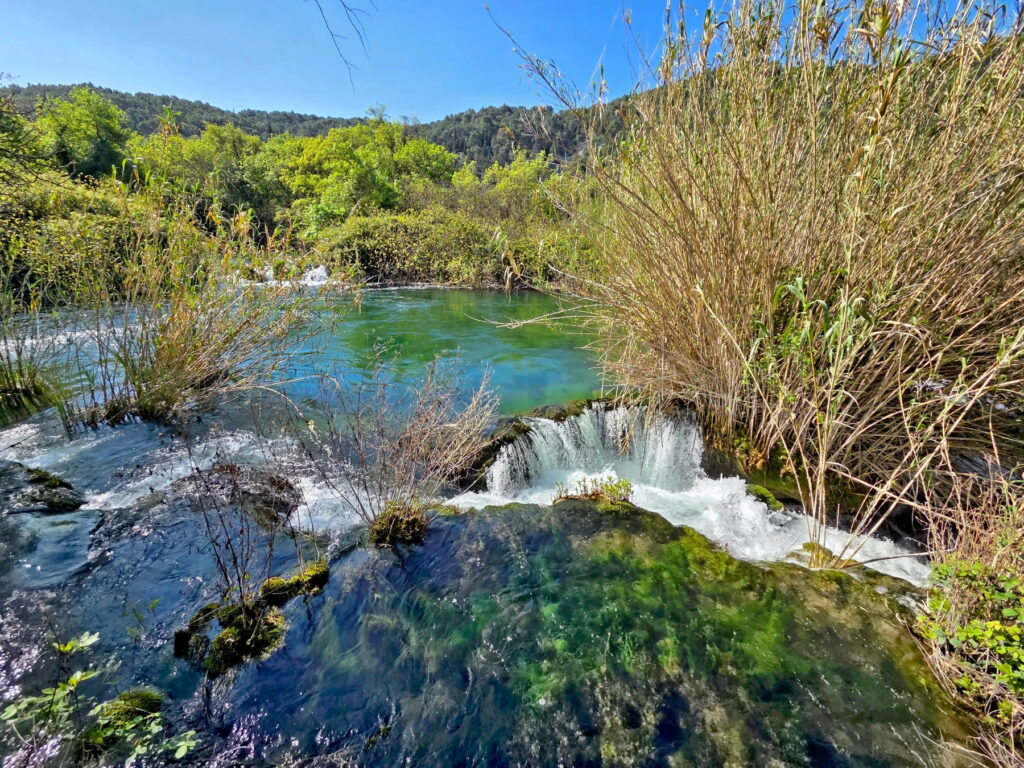
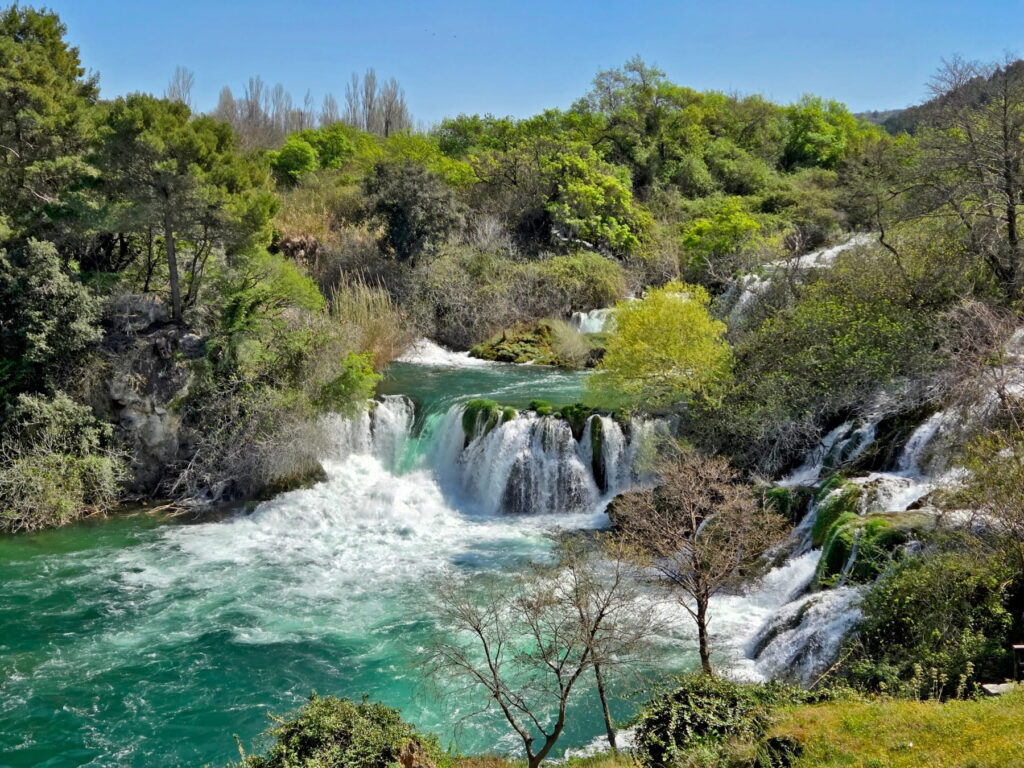
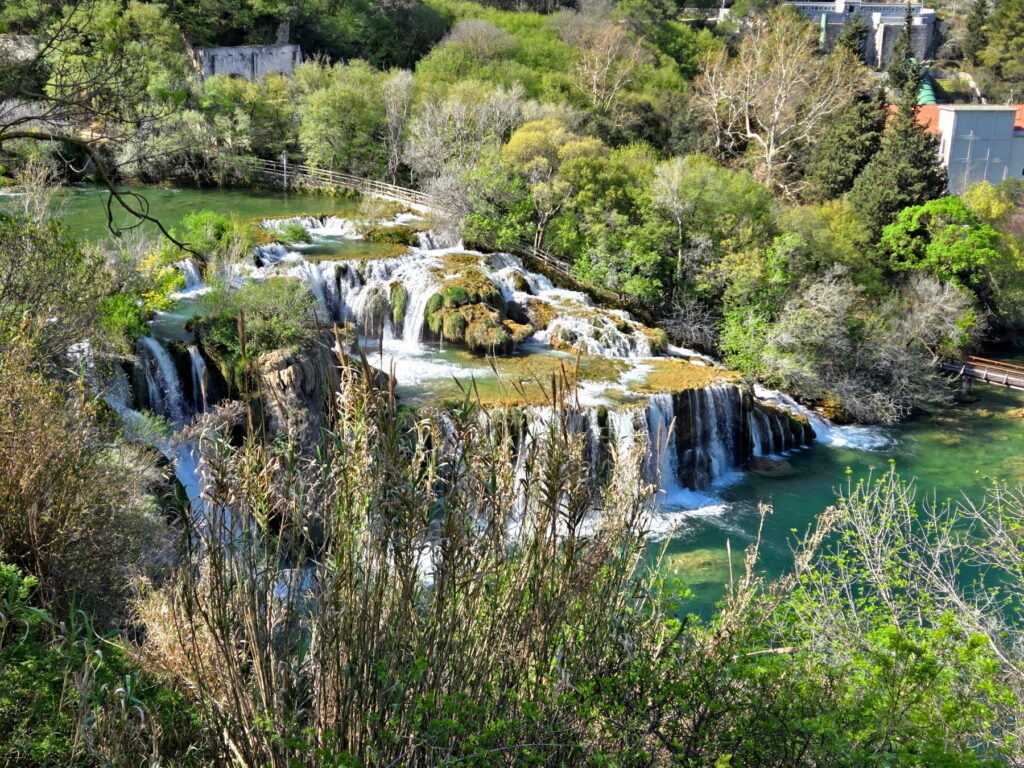
While most visitors focus only on Skradinski Buk, Roški Slap offers a quieter side of Krka National Park. The waterfalls here are smaller but surrounded by calmer scenery and fewer crowds. The area feels more natural and less touristic, especially outside peak season.
The walking paths and viewpoints around Roški Slap are ideal for travelers who prefer slower exploration and photography without large groups everywhere.
Tip: Visit Roški Slap in the late afternoon when many tourists have already left the park.
Best Views in Krka National Park
The best panoramic views are found above Skradinski Buk, where you can fully appreciate the scale of the waterfalls and surrounding forest. The elevated viewpoints show the layered cascades much better than the lower walking paths alone.
Boat rides toward Visovac Monastery also offer memorable scenery, especially during calmer evening hours when the river reflects the surrounding hills. For photographers, afternoon light usually works best around the main waterfalls.
Tip: Bring a wide-angle lens or use panoramic mode on your phone for waterfall photos.
Where to Stay in Krka National Park
Luxury: D-Resort Šibenik – Modern waterfront hotel with easy access to both Krka and the Adriatic coast.
Mid-range: Hotel Miran Pirovac – Relaxed seaside option convenient for combining beaches and national park visits.
Budget: Hostel Globo Šibenik – Simple and practical base for travelers exploring Dalmatia by bus or car.
Practical Tips for Visiting Krka National Park
The best time to visit is from May to September, although June and September usually offer the best balance between weather and crowds. Summer afternoons can become very busy, especially in July and August.
Arriving early in the morning is highly recommended. The boardwalks are quieter, temperatures are lower, and parking is easier. Afternoon light is generally better for waterfall photography.
Krka National Park is easiest to reach by car from Šibenik, Zadar, or Trogir. Parking areas near the entrances are large, and shuttle buses transport visitors closer to the main walking areas.
You can find more information about Krka National Park on the official website and you can also purchase tickets online.
Tip: Avoid arriving late morning in peak summer because entrance queues can become long.
More Places to Visit Near Krka National Park
- Šibenik – Historic coastal city with stone streets and impressive sea views.
- Zadar – Famous for its Sea Organ and relaxed Adriatic sunset atmosphere.
- Trogir – Beautiful UNESCO-listed old town filled with narrow medieval alleys.
- Pirovac – Quiet coastal town ideal for slower beach evenings after visiting Krka.
- Visovac Monastery – Peaceful monastery island surrounded by calm river scenery.