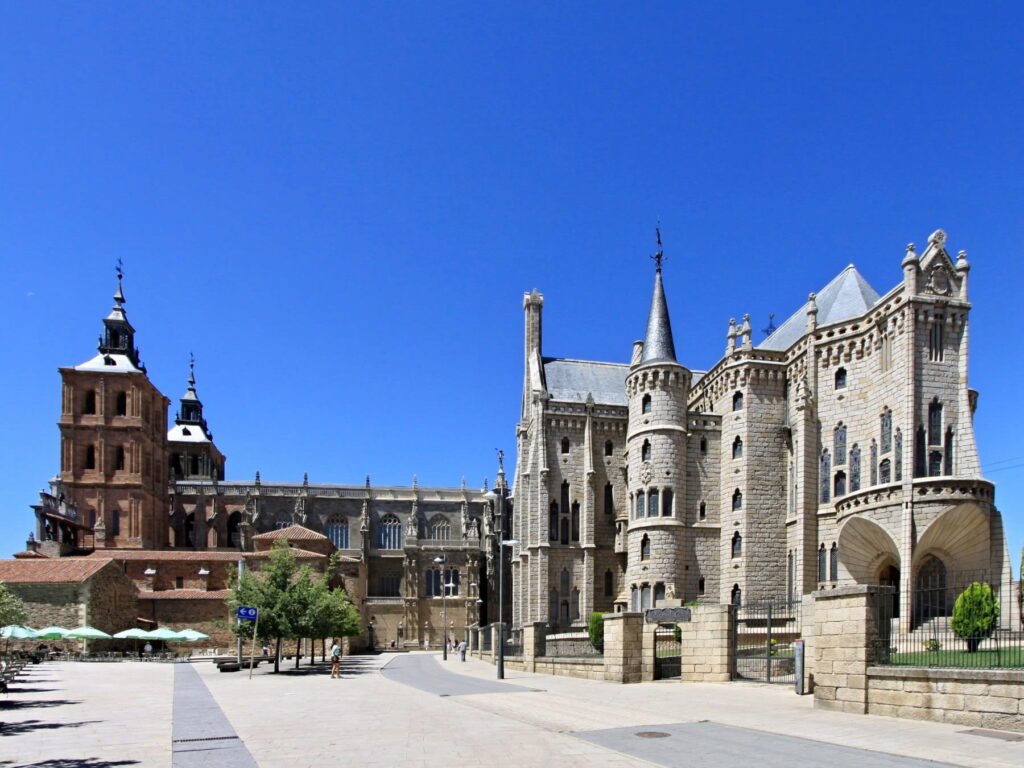
Astorga is one of the most atmospheric small towns in inland Spain and a place many travelers unexpectedly fall in love with. Located along the famous Camino de Santiago pilgrimage route, the town combines Roman history, medieval traditions, elegant plazas, and impressive architecture in a surprisingly compact historic center. Unlike larger Spanish destinations such as Madrid or Toledo, Astorga feels calm, local, and deeply connected to slower daily life.
The best things to do in Astorga include visiting the extraordinary Episcopal Palace designed by Antoni Gaudí, exploring the cathedral, walking through quiet historic streets, and experiencing the relaxed atmosphere of a traditional Castilian town. Pilgrims pass through every day on their way toward Santiago de Compostela, giving Astorga a unique rhythm shaped by travel, history, and local life.
What makes Astorga particularly special is the contrast between its different historical layers — Roman ruins, medieval pilgrimage culture, and modernist architecture standing side by side in one peaceful town.
Top Things to Do in Astorga
- Visit Gaudí’s Episcopal Palace
- Explore Astorga Cathedral
- Walk through the historic center
- Discover Roman ruins and history
- Experience the Camino de Santiago atmosphere
- Taste local chocolate and regional cuisine
- Relax in quiet plazas and cafés
Visit the Episcopal Palace by Gaudí
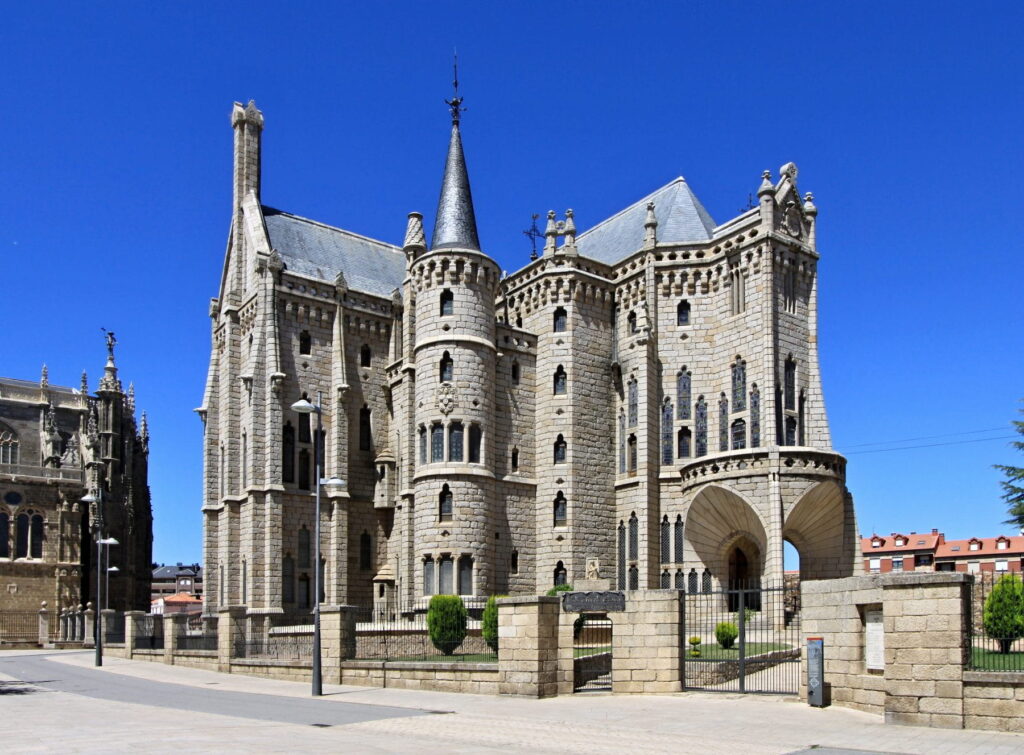
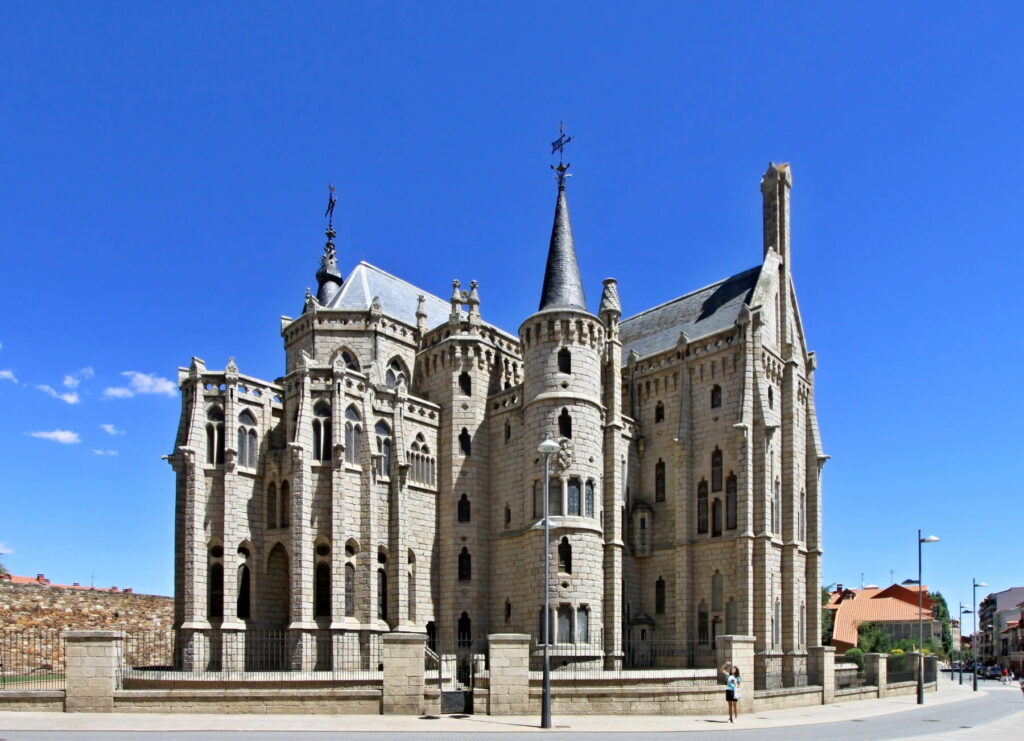
The Episcopal Palace is the most famous landmark in Astorga and one of the few buildings Antoni Gaudí designed outside Catalonia. The palace looks almost fairy-tale-like, with towers, stone details, and colorful architectural elements rising beside the cathedral.
Unlike Gaudí’s famous works in Barcelona, the atmosphere here feels much calmer and more intimate. Visitors can explore the interiors without massive crowds, which makes the experience more relaxed and personal.
The contrast between the gray stone exterior and the creative shapes typical of Gaudí gives the building a very distinctive appearance.
Tip: Visit early or late in the day when the changing light highlights the architectural details beautifully.
Explore Astorga Cathedral
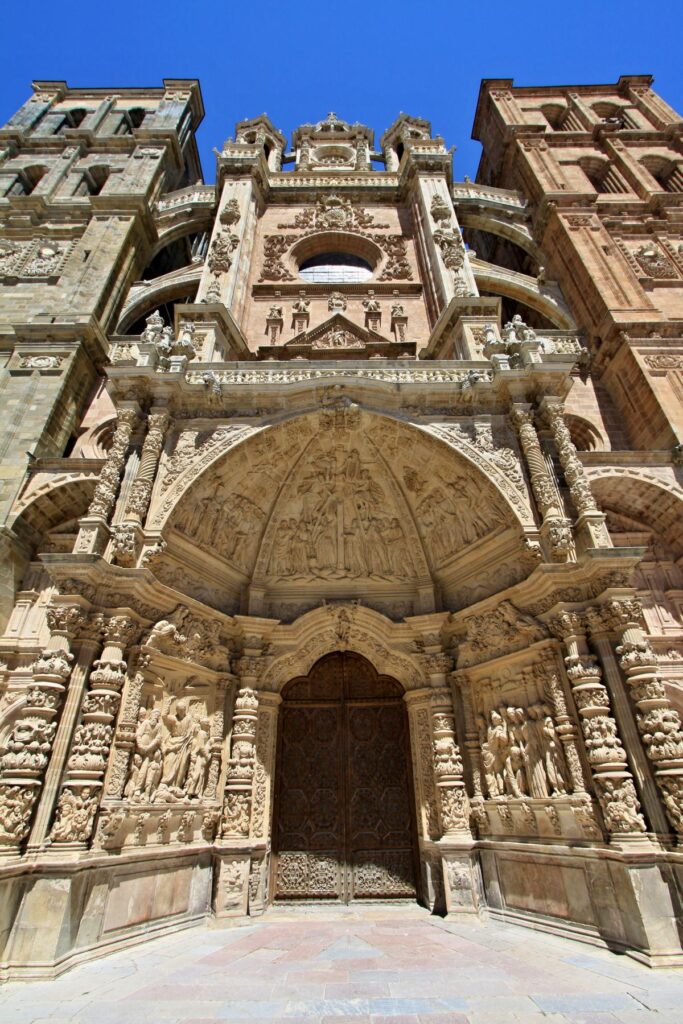
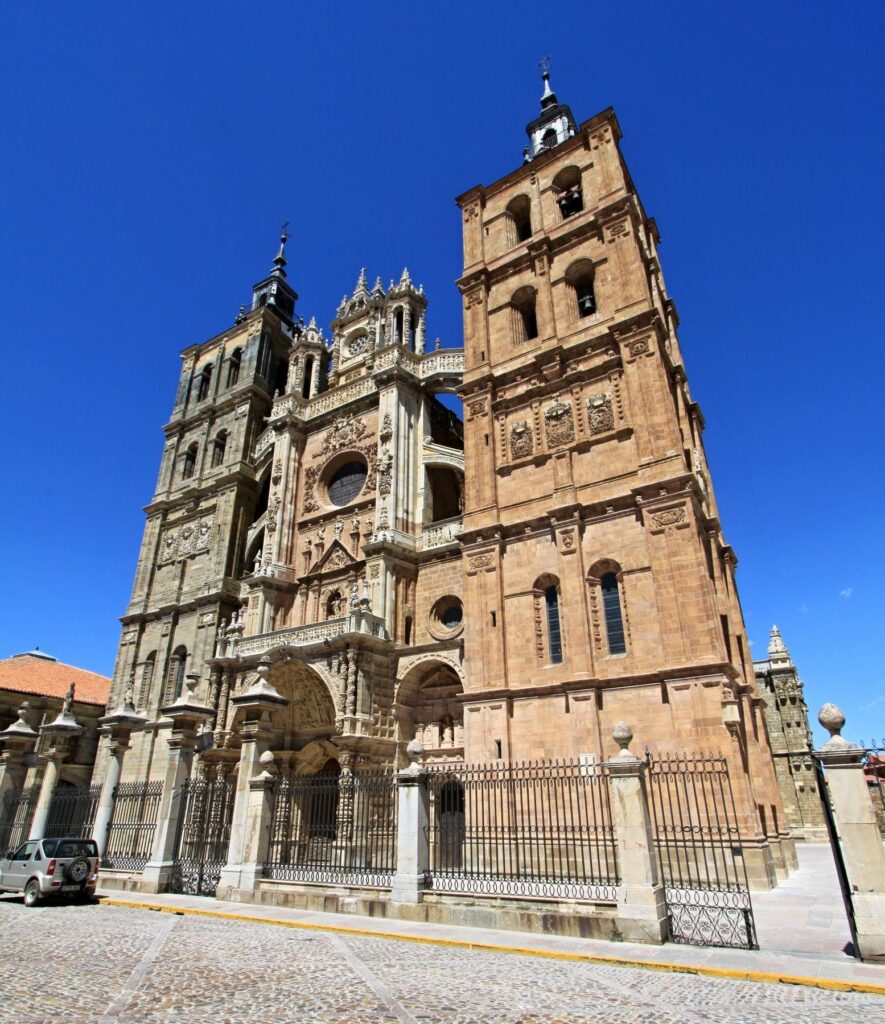
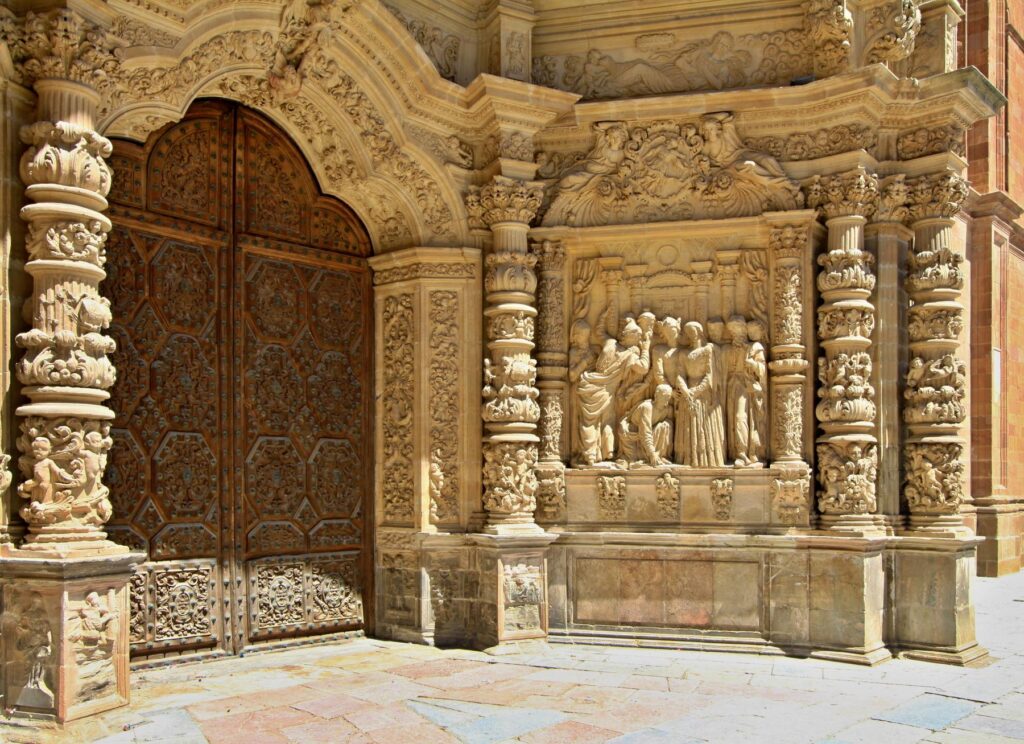
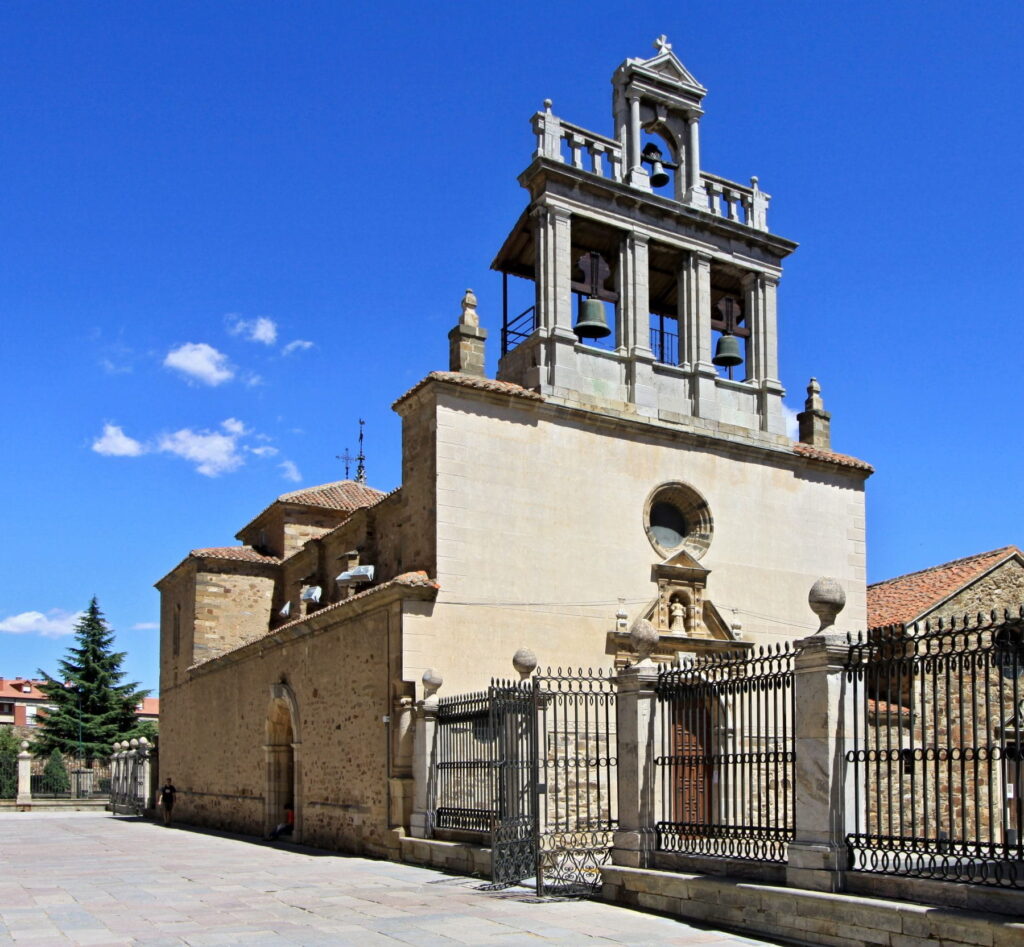
Standing directly beside the Episcopal Palace, Astorga Cathedral dominates the historic center with its impressive Gothic and Baroque architecture.
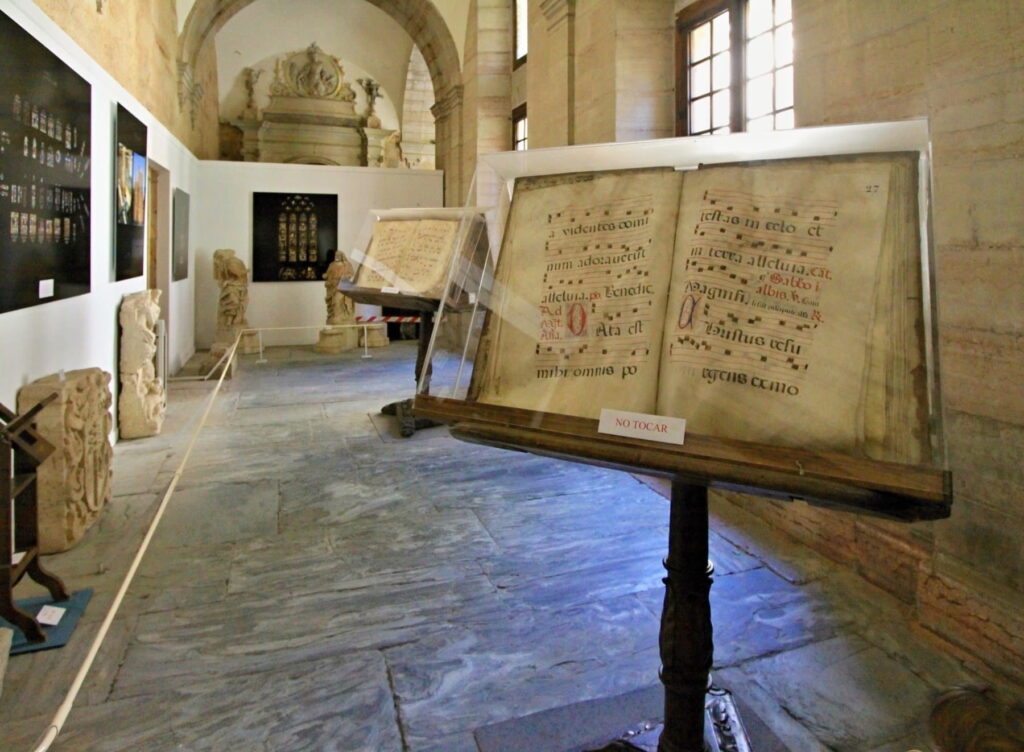
The cathedral feels monumental compared to the size of the town itself, creating one of the most visually striking town centers in inland Spain. Inside, the atmosphere is calm and reflective, especially outside pilgrimage peak season.
The square surrounding the cathedral is one of the best places to sit and absorb the slow rhythm of Astorga.
Tip: Spend some time in the plaza nearby rather than rushing between attractions.
Walk Through the Historic Center
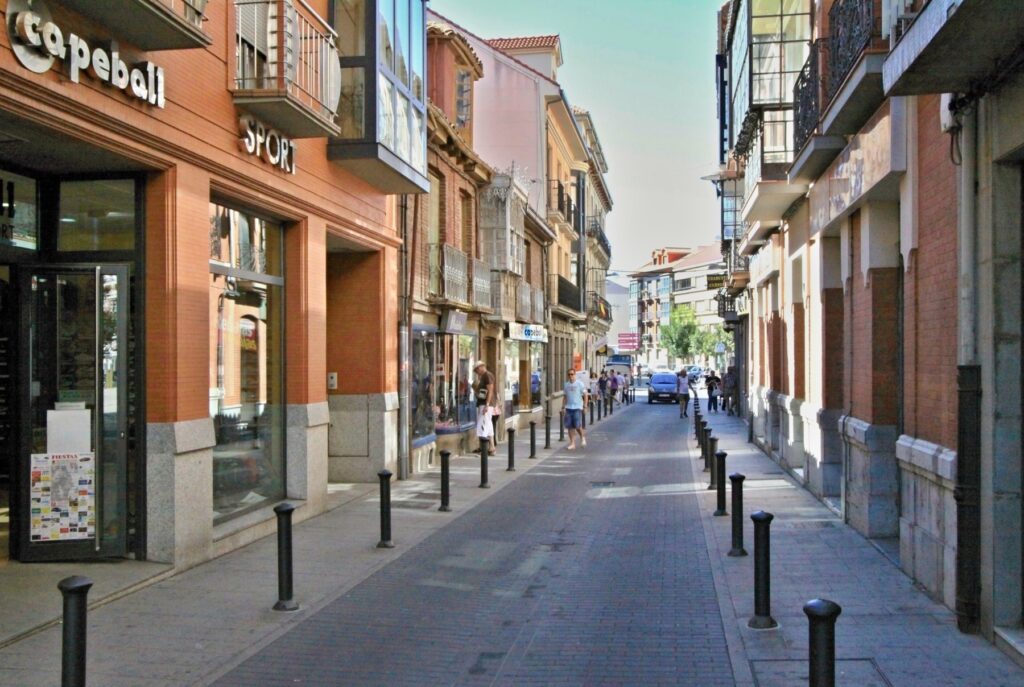
Astorga’s historic center is compact, elegant, and very walkable. Stone buildings, quiet alleys, small cafés, and traditional shops create a relaxed atmosphere that feels genuinely local.
Unlike heavily visited Spanish cities, the streets here rarely feel overcrowded. Much of the experience comes simply from wandering without a plan and observing daily life.
The town feels particularly atmospheric in the early evening when pilgrims, locals, and visitors slowly fill the cafés and plazas.
Tip: Explore beyond the cathedral area because quieter streets reveal the town’s authentic character.
Discover Astorga’s Roman Heritage
Astorga has deep Roman roots and was once an important settlement known as Asturica Augusta. Remains of Roman walls, mosaics, and archaeological sites still survive around the town.
Although the Roman heritage is less famous than in larger Spanish cities, it adds another historical layer to Astorga’s identity.
The combination of Roman history with medieval pilgrimage traditions gives the town a very unusual atmosphere for such a small destination.
Tip: Visit the Roman Museum if you are interested in the deeper history of northern Spain.
Experience the Camino de Santiago Spirit
Astorga sits directly on the Camino Francés route toward Santiago de Compostela, and pilgrims are part of everyday life here. Backpacks, walking sticks, and tired travelers arriving into town create a unique atmosphere unlike most Spanish destinations.
Even travelers not walking the Camino often notice the slower and more reflective mood connected to the pilgrimage route.
The town feels welcoming and unhurried, with many cafés and restaurants adapted to pilgrims passing through.
Tip: Early mornings are especially atmospheric when pilgrims begin leaving town for the next stage of the Camino.
Try Local Chocolate and Castilian Cuisine
Astorga is famous for its chocolate-making tradition, which dates back centuries. Small chocolate shops around the historic center still sell handmade sweets and traditional products.
The local cuisine is hearty and strongly connected to Castilian traditions. Cocido maragato, a traditional regional stew, is one of the best-known local specialties.
The food scene feels very local rather than tourist-oriented, especially compared to larger cities.
Tip: Visit one of the traditional pastry or chocolate shops near the main square.
Hidden Gem in Astorga: Plaza de San Bartolomé
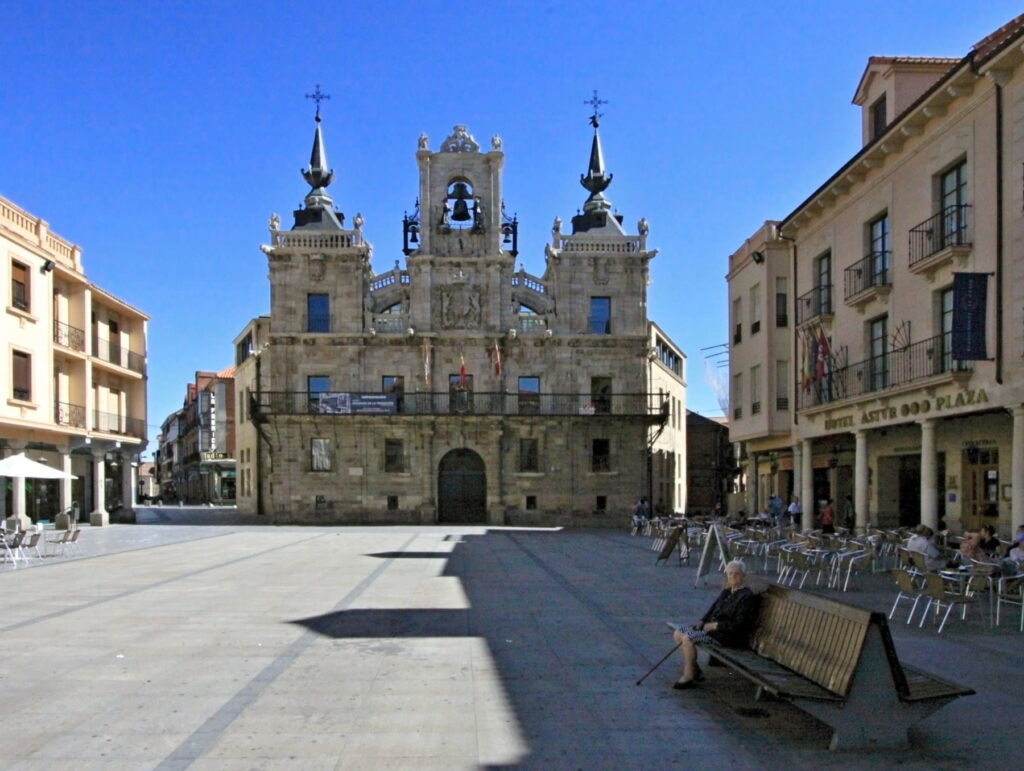
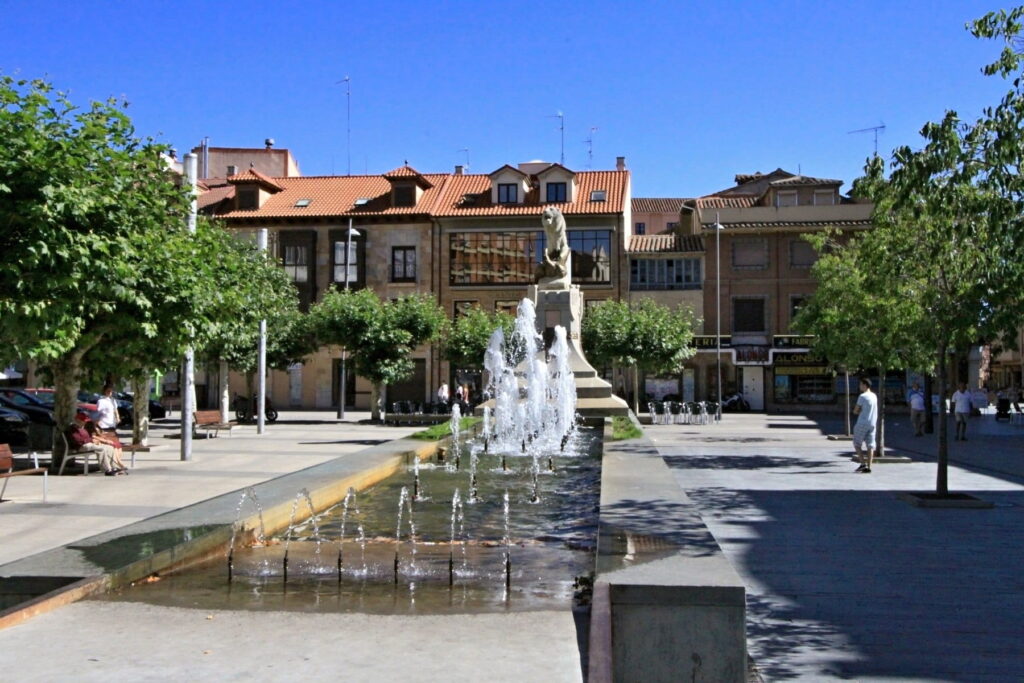
While most visitors focus on the cathedral and Gaudí palace, Plaza de San Bartolomé offers a quieter and more local atmosphere. Small cafés, traditional buildings, and fewer tourists make the square feel very authentic.
It is one of the best places to slow down and experience everyday life in Astorga away from the main attractions.
The peaceful atmosphere becomes especially pleasant during late afternoon when locals gather outside cafés.
Tip: Order coffee or wine here and spend some time simply observing the town’s slower rhythm.
Best Views in Astorga
The most beautiful views are around the cathedral and Episcopal Palace, where the mix of Gothic and Gaudí architecture creates a unique skyline.
Several streets near the edge of the historic center also offer views across the surrounding plains of Castile and León.
Golden evening light gives the stone buildings particularly warm colors and creates excellent conditions for photography.
Where to Stay in Astorga
Luxury: Eurostars Hotel de la Reconquista – Elegant historic-style hotel near the center.
Mid-range: Hotel Spa Ciudad de Astorga – Comfortable hotel with traditional architecture and spa facilities.
Budget: Albergue Só Por Hoje – Friendly pilgrim-style accommodation popular with Camino travelers.
Practical Tips for Visiting Astorga
The best time to visit Astorga is spring or autumn when temperatures are comfortable and Camino activity brings the town to life without excessive heat.
Astorga is easily reachable by train or car from León and works well as a stop while exploring inland northern Spain.
The historic center is compact and ideal for walking. Most attractions are located within short distance of each other.
If you visit during Camino peak season, accommodation can fill quickly because many pilgrims stay overnight in town.
More Places to Visit Near Astorga
- León – Historic city famous for its Gothic cathedral and lively tapas culture.
- Segovia – Beautiful Castilian city with a Roman aqueduct and fairy-tale castle.
- Ávila – Walled medieval city with remarkably preserved fortifications.
- Toledo – Historic hilltop city blending Christian, Jewish, and Islamic heritage.
- Madrid – Spain’s energetic capital filled with museums, plazas, and nightlife.
- Cuenca – Unique city famous for its hanging houses above dramatic cliffs.