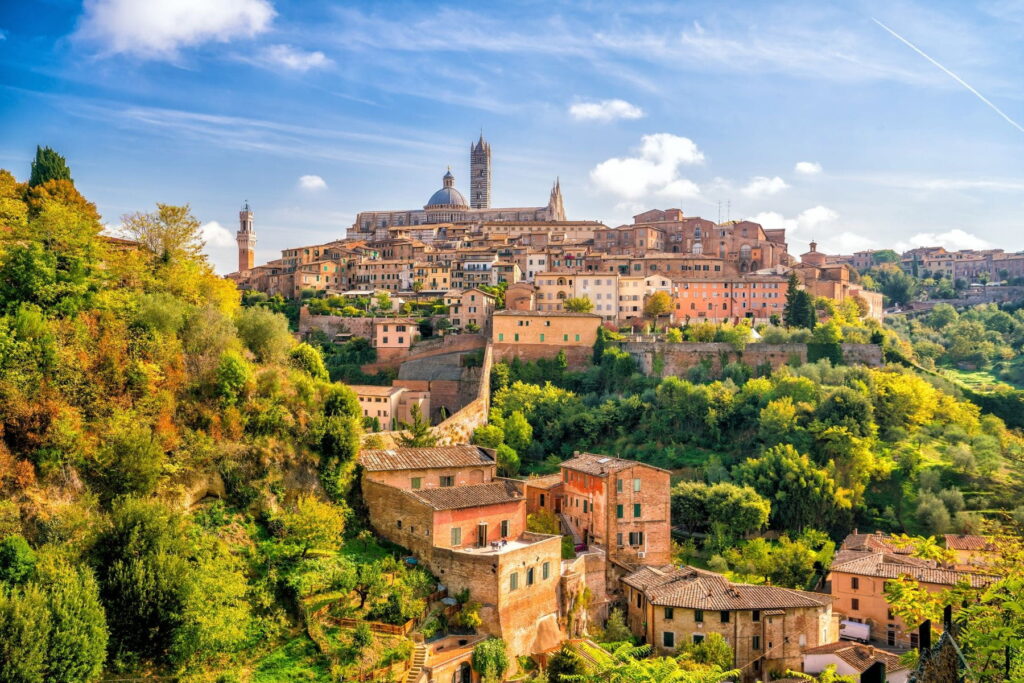
Italy is one of those countries where travel rarely feels limited to sightseeing. Historic streets, lively piazzas, coastal villages, mountain roads, vineyards, cafés and family-run restaurants all blend into a lifestyle that feels instantly recognizable and deeply atmospheric.
What makes Italy so special is the way beauty appears in ordinary moments. A short evening walk, a coffee at the bar, a plate of pasta in a small town or a road through olive groves can feel as memorable as a famous landmark. From Rome and Venice to Sicily, Sardinia, Tuscany and the Dolomites, every region has its own rhythm, food and identity.
Why Visit Italy
- Travel style: Historic cities, food, road trips, beaches, culture, mountains, lakes, islands and countryside travel.
- Best experiences: Art cities, coastal drives, wine regions, lake towns, island beaches, mountain villages and long outdoor dinners.
- Atmosphere: Romantic, Mediterranean and lively, with a strong sense of local life.
- Best for: Couples, photographers, food lovers, families, history enthusiasts, luxury travelers and road trip travelers.
- Best season: April to June and September to October for pleasant weather and fewer crowds.
Best Places to Visit in Italy
Rome
Rome feels like history layered into daily life. Ancient ruins, churches, fountains, noisy streets, trattorias and sunset-lit squares all exist side by side.
Visit for the Colosseum, Vatican City, Roman Forum, food, museums, piazzas and one of Europe’s most powerful city atmospheres.
Venice
Venice is unlike anywhere else in Europe. Its canals, bridges, palaces and narrow lanes create a fragile, dreamlike setting that feels best early in the morning or after day-trippers leave.
Visit for photography, romance, architecture, islands, quiet backstreets and evening walks beside the water.
Florence
Florence is the heart of Renaissance Italy, with art, architecture and Tuscan elegance packed into a walkable city. The Duomo, bridges and galleries make it one of Europe’s great cultural destinations.
Visit for museums, views, wine bars, historic streets and easy trips into Tuscany.
Milan
Milan is Italy’s most stylish and business-minded city. It feels more modern than Rome or Florence, but still offers grand architecture, design, fashion and excellent restaurants.
Visit for the Duomo, shopping, galleries, aperitivo culture and connections to Lake Como, Lombardy and the Alps.
Lake Garda
Lake Garda combines clear water, mountain scenery, historic towns and a relaxed resort atmosphere. The northern part feels alpine and dramatic, while the south is softer and warmer.
Visit for swimming, cycling, boat trips, lakeside villages, family holidays and scenic drives.
Cinque Terre
Cinque Terre is famous for colorful villages clinging to cliffs above the Ligurian Sea. The landscape is compact but striking, especially when seen from coastal trails or arriving by train.
Visit for hiking, photography, seafood, sea views and one of Italy’s most recognizable coastal settings.
Naples
Naples is intense, loud, historic and full of character. It is less polished than northern Italian cities, but its food, street life and proximity to Pompeii and the Amalfi Coast make it unforgettable.
Visit for pizza, archaeology, local atmosphere, seaside views and southern Italian energy.
Amalfi Coast
The Amalfi Coast is dramatic and glamorous, with cliffside towns, lemon terraces, sea views and narrow coastal roads. Places such as Positano, Amalfi and Ravello are popular, but still visually spectacular.
Visit for romance, photography, luxury stays, boat trips and classic Mediterranean scenery.
Sicily
Sicily feels like a world of its own, shaped by Greek, Arab, Norman and Italian influences. The island combines beaches, volcanoes, ancient ruins, baroque towns and bold food culture.
Visit for road trips, history, seafood, Mount Etna, Palermo, Taormina and a more layered southern atmosphere.
Sardinia
Sardinia is one of Italy’s best beach destinations, known for clear water, granite coastlines and wild inland landscapes. It feels spacious, natural and less urban than many other Italian regions.
Visit for beaches, boat trips, road trips, luxury resorts and turquoise coves.
Pisa
Pisa is best known for its Leaning Tower, but the surrounding historic square is more impressive than many travelers expect.
Visit as a short cultural stop in Tuscany, especially when combined with Florence, Lucca or the Tuscan coast.
Verona
Verona is romantic, elegant and easy to enjoy. Roman ruins, medieval streets, piazzas and riverside views give it a softer atmosphere than Italy’s larger cities.
Visit for architecture, opera, wine country, weekend breaks and routes toward Lake Garda or Venice.
Best Regions in Italy
Tuscany is known for rolling hills, vineyards, Renaissance cities, hill towns and slow countryside travel. It is ideal for couples, food lovers and road trips.
Lombardy combines Milan, lakes, mountains and elegant northern Italian culture. It suits city breaks, luxury travel and lake holidays.
Veneto offers Venice, Verona, Prosecco hills, historic towns and easy routes between culture and countryside.
Sicily is best for travelers who want beaches, history, volcanoes, food and a more intense southern atmosphere.
Sardinia is ideal for beach holidays, turquoise water, sailing, nature and relaxed island road trips.
The Amalfi Coast is perfect for romantic travel, luxury hotels, coastal scenery and dramatic sea views.
The Dolomites offer alpine landscapes, hiking, skiing, mountain villages and some of Europe’s most beautiful scenery.
Puglia feels sunlit, rural and increasingly popular, with white towns, olive groves, beaches and distinctive trulli houses.
Liguria is known for cliffs, colorful seaside towns, pesto, harbors and coastal walking routes.
The Lake Garda Region works well for families, couples, cyclists and travelers who want mountains and water in one trip.
Food and Local Experiences in Italy
Italian food is famous worldwide, but the real joy is how regional it feels once you travel through the country. Pizza in Naples, risotto in Milan, seafood in Sicily, truffles in Tuscany, pesto in Liguria and fresh pasta in Emilia-Romagna all tell a different story.
Meals are usually simple but deeply connected to ingredients. Olive oil, tomatoes, seafood, Parmesan, prosciutto, local wines, fresh herbs and handmade pasta appear differently from region to region.
Gelato, espresso, aperitivo and long dinners outdoors are part of the travel rhythm. Italy is not only about eating well, but about slowing down enough to enjoy the setting around the meal.
Markets, bakeries, wine bars and family-run trattorias often create stronger memories than formal restaurants. Even a small village can offer a remarkable meal if you follow the local rhythm.
Best Experiences in Italy
Walk through Rome at dusk, when fountains, ruins and piazzas glow under warm evening light.
Drive through Tuscany between vineyards, cypress trees, stone farmhouses and hill towns such as Siena, San Gimignano and Montepulciano.
Take a boat on Lake Garda, Lake Como or the Amalfi Coast for some of Italy’s best views from the water.
Explore Venice early in the morning, before the main crowds arrive and the canals feel quiet and almost private.
Hike in the Dolomites, where sharp peaks, alpine meadows and mountain huts offer a completely different side of Italy.
Spend time in small towns rather than only famous cities. Italy often feels most authentic in evening walks, local cafés and quiet piazzas.
Practical Tips for Visiting Italy
The best time to visit Italy is April to June and September to October, when temperatures are pleasant and crowds are lighter than in peak summer.
Summer is best for beaches, islands and mountain escapes, but July and August can be very hot and crowded in cities and famous coastal areas.
Winter works well for cities such as Rome, Florence, Venice and Milan, as well as skiing and alpine travel in the Dolomites.
Trains are excellent between major cities, especially Rome, Florence, Venice, Milan, Naples and Bologna. For city-focused trips, trains are usually easier than driving.
A rental car is best for countryside regions such as Tuscany, Puglia, Sicily, Sardinia and the Dolomites. Avoid driving into historic city centers unless your accommodation provides clear parking advice.
Ferries connect islands and coastal destinations, including Sicily, Sardinia, Capri and parts of the Amalfi Coast.
Prices vary widely. Major cities, famous coastal towns and luxury lake areas can be expensive, while smaller inland towns often offer better value and a more local atmosphere.
Other interesting places in Italy:
Marostica – charming medieval town famous for its living chess tradition, historic walls and relaxed atmosphere surrounded by vineyards and gentle hills.
Vicenza – elegant historic city known for Palladian architecture, refined atmosphere and beautiful piazzas that feel calmer and less crowded than nearby Venice.
Trieste – fascinating Adriatic city blending Italian, Austrian and Balkan influences with grand architecture, historic cafés and a unique Central European atmosphere by the sea.
Polignano a Mare – spectacular cliffside coastal town famous for dramatic sea views, whitewashed streets and turquoise coves hidden beneath limestone cliffs.
Who Should Visit Italy
Italy is ideal for couples because of its romantic cities, coastal towns, countryside hotels, wine regions and slow evening atmosphere.
Photographers will find endless material in historic streets, mountain landscapes, coastal villages, lakes, markets and golden-hour piazzas.
Food lovers can build an entire trip around regional cuisine, wine, markets, pasta, seafood, cheese, olive oil and gelato.
Families will appreciate beaches, lakes, countryside stays, historic towns, easy food options and a wide range of accommodation.
History enthusiasts can explore Roman ruins, Renaissance art, medieval villages, churches, palaces and archaeological sites across the country.
Luxury travelers will enjoy Lake Como, the Amalfi Coast, Sardinia, Milan, Tuscany and boutique hotels in historic towns.
Road trip travelers should focus on Tuscany, Sicily, Puglia, Sardinia, the Dolomites and the Italian lakes.
More Places to Visit Near Italy
- France: A natural pairing for food, wine, art, beaches and routes from northern Italy to Provence or the French Riviera.
- Switzerland: Ideal for alpine scenery, lakes, mountain trains and routes from Milan or Lake Como.
- Austria: Easy to combine with the Dolomites, Vienna, Salzburg and alpine road trips.
- Slovenia: Great for Lake Bled, Ljubljana, caves, mountains and routes from northeastern Italy.
- Croatia: Perfect for Adriatic islands, historic coastal towns and summer travel.
- Malta: A compact Mediterranean destination with beaches, history and limestone cities.
- Greece: A strong match for islands, ancient history, Mediterranean food and coastal holidays.
- San Marino: A tiny hilltop country easily visited from Emilia-Romagna or the Adriatic coast.
- Vatican City: An essential stop in Rome for St. Peter’s Basilica, museums and religious history.